UK University Deadlines 2026 Entry | The UK Study Expert


UK University Application Planning

Are you planning to apply and study your bachelor’s degree in the UK? It’s important to understand the key deadlines to plan ahead and stay on track when applying to UK universities!


Some universities or courses have different deadlines. Here at The UK Study Expert, we want to make sure you have all the deadlines, timelines and resources to plan ahead, apply on time and get the acceptance offer of your dreams so you can study in the UK!


What is UCAS?


We are going to mention a lot about UCAS in this article! Before we begin, UCAS (the Universities, Colleges and Admissions Service) is the central hub to apply to UK universities. Think of it as the UK’s version of the Common App. You can only apply up to 5 UK universities, and the fee to submit your application is £28.50 (roughly $37 USD) for up to 5 universities, which is very cost effective!


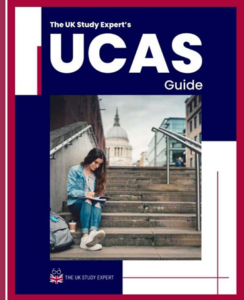
> Need help with your UCAS application? Get our UCAS Guide for $27


UK Bachelor’s Degree Application Deadlines

We have listed below the UK bachelor degree deadlines if you are applying for September 2026 entry. Here are the important deadlines to know before you apply:


  • May 13, 2025 – UCAS Application Opens for 2026 Entry
  • September 2, 2025 – You can submit your college application on UCAS.

Make sure your reference letter is attached. If not, even though you submitted, unlike US applications, it won’t be fully submitted until the reference letter is attached.  


  • October 15, 2025 (6:00pm UK time) – Deadline for applications to the universities of Oxford and Cambridge, and for most courses in medicine, dentistry, and veterinary medicine/science
  • January 14, 2026 (6:00pm UK time) – Equal Consideration Deadline for most undergraduate (bachelor’s degree) courses.

This is probably the most important UK admissions deadline of them all. We recommend applying by this date if possible, even though US students can still apply after, since many UK universities offer rolling admissions for international students.


Universities and colleges do not guarantee consideration for admission after 14 January 2026, and some popular courses may no longer have vacancies. Also, most high-ranking UK universities adhere to this deadline, so it’s important to submit your application before this deadline. Please check with individual universities and colleges if you are not sure.


  • February 26, 2026 – Extra Opens

If you used all 5 UK university choices and didn’t receive any offers, you may be eligible to add an additional university.  


  • June 30, 2026 (6:00pm UK time) – Applications received by this deadline will be sent to universities and colleges

After this time, applications are automatically entered into Clearing.


  • July 5, 2026 (6:00pm UK time) – Clearing Opens

Clearing opens for eligible applicants, and vacancies are displayed in UCAS’ search tool. Applicants can release themselves into Clearing. Discover information and advice on our Clearing and results day pages.


How The UK Study Expert Can Help You

Lucky for you, the UK Study Expert has taken the guesswork out of figuring out what each university requires with our handy dandy UK University Search Engine. Or you can find your best university by taking our free  UK University Quiz Match.


You can also check out our Services Page to see what services we can support you!


Need help figuring out your UCAS application?

Check out our step-by-step UCAS Guide! Get the UCAS Guide for $27


New UK Immigration Step Explained | The UK Study Expert

Are you planning on visiting or studying in the UK next year? The UK has just announced a new immigration step for US, Canadian and Australian citizens starting January 2025. All citizens must apply for an ETA. Here’s what you need to know before traveling to the UK.


What is an ETA?

An Electronic Travel Authorization (ETA) is a digital permit that allows travelers to enter specific jurisdictions. An ETA gives you permission to travel to the UK. 


The fastest way to apply is using the UK ETA app. If you don’t have the app, you can also apply online. If you are applying for someone else who is not with you, you should apply online.


Before applying, you must first prepare your passport, have access to your emails, and have a credit card, debit card, Apple Pay or Google Pay. You will also need to upload or take photos of your passport and the face of the person applying.


For group applications, each person must apply separately. You may get a decision at a different time from others in your group, even if you applied at the same time.


For US students who want to study in the UK, you will need an ETA prior to traveling for short-term study which goes up to 6 months. Students from the US who wish to study in the UK for more than 6 months are required to obtain a visa. 


Your eligibility for application depends on the date of your travel and your nationality as shown on your passport. On the other hand, you do not need an ETA if: (1) you have a visa (2) you have permission to live, work, or study in the UK (3) your a British/Irish citizen (4) you are travelling with a British overseas territories citizen passport, (5) you live in Ireland and you are travelling from Ireland, Guernsey, Jersey, or the Isle of Man, and (6) you are a dual citizen with British/Irish citizenship.


You can get an ETA instead of a visa if you are:

  • ⁠  ⁠coming to the UK for up to 6 months for tourism, visiting family and friends, business or short-term study
  • ⁠  ⁠coming to the UK for up to 3 months on the Creative Worker visa concession
  • ⁠  ⁠coming to the UK for a permitted paid engagement
  • ⁠  ⁠transiting through the UK – including if you are not going through UK border control


What you cannot do with an ETA:

  • ⁠  ⁠stay in the UK for longer than 6 months
  • ⁠  ⁠do paid or unpaid work for a UK company or as a self-employed person, unless you are doing a permitted paid engagement or event or work on the Creative Worker visa concession
  • ⁠  ⁠claim public funds (benefits)
  • ⁠  ⁠live in the UK through frequent or successive visits
  • ⁠  ⁠marry or register a civil partnership, or give notice of marriage or civil partnership 

As for the application, it costs £10 to apply. You can also apply for other people. You cannot get a refund after you apply.


How long will the process take?

You will usually get a decision within 3 working days, but you may get a quicker decision. Occasionally, it may take longer than 3 working days.


You will get an email confirming you have got an ETA. It will be linked to the passport you applied with. Your ETA lasts for 2 years. You can travel to the UK as many times as you want during that time. If you get a new passport, you will need to get a new ETA.


For more information, visit the gov.uk website.

KCL Accepts Honors & Dual Enrollment | The UK Study Expert

There are a lot of aspiring students who dream of entering a UK university, but the complicated exam requirements, especially if your school doesn’t offer AP exams, often hinder students from going to the university they want.


Fortunately, there are universities in the UK that have changed their requirements to accommodate these types of schools and one of them is King’s College London.


King’s College London is a globally recognized institution known for providing outstanding education and conducting cutting-edge research. They are committed to fostering positive, long-lasting change in society, with a focus on improving the world. By delivering high-quality education, pioneering research, and dedicated service to the community, they aim to create a lasting impact both locally in London and globally. 


Aside from the significant reputation of King’s College London, they have now updated their US entry requirements for high schools who do not offer AP examinations, aiming at broadening access to a wider range of students.


In place of AP exams, they will now replace and consider honors and dual enrollment classes. The criteria are as follows:

  1. Honors Classes: Must be taken at the Grade 12 level for a full academic year.
  2. Dual Enrollment Classes: Must be completed over at least one semester and be worth a minimum of 3 college credits.


King’s College London will only consider Honors/Dual Enrollment Classes, for US-domiciled applicants only, if the school does not teach enough AP subjects.


Honors Classes must be taken for one year at grade 12 level, and Dual Enrolment (College) Classes must be taken for one semester of at least 3 credits.


It is recommended that students focus on taking AP exams, Honors or Dual Enrollment classes in subjects that align with their intended field of study. How many varies by program. 


For more information, please read KCL’s US entry requirements HERE.


These updates will be in effect for all US students applying to King’s College London for the 2025 entry year. The application deadline is
January 29, 2025, at 6:00 PM UK time.


If you want to learn more about King’s College London’s entry requirements, check out their website or click here.

New Changes in Personal Statement Tips | The UK Study Expert

For students pursuing a UK bachelor’s degree, the primary UK application system is hosted by UCAS (Universities and Colleges Admissions Service). Today, UCAS announced significant changes to the personal statement section, which US students may know as the “college essay”.


Traditionally, students have been required to submit a single personal statement of up to 47 lines or 4,000 characters. However, starting with applications for the 2026 entry, this will change.
Students will now need to respond to three different sections instead of submitting one comprehensive personal statement. In addition, there will be no extenuating circumstances box. 


These changes will impact current rising Juniors who plan to start their studies in the UK in September 2026. Students applying for the 2025 entry will not be affected by these new requirements.


New Personal Statement Questions

  • Why do you want to study this course or subject? 

  • How have your qualifications and studies helped you to prepare for this course or subject? 

  • What else have you done to prepare outside of education, and why are these experiences useful?


Each section will have a minimum requirement of 350 characters, indicated clearly within the question boxes. Additionally, an overall character counter will be provided to help students ensure they are meeting the necessary guidelines.


These questions are designed to help admissions officers gain a clearer understanding of an applicant’s passion for their chosen subject, their academic preparedness, and the relevance of their extracurricular activities.


Interestingly, these split sections align closely with the advice we currently give students when writing their personal statements, albeit in a less structured format. While students currently address these key areas within their personal statements, they have the flexibility to weave their responses into a single narrative. The new format, however, mandates a more explicit and structured approach.


This change will likely benefit students by providing clearer guidance on what to include in their applications, potentially making the writing process more straightforward. It also ensures that all applicants are evaluated on the same key criteria, making the admissions process more uniform and transparent.


No More Extenuating Circumstance Box


Even though there will be no extenuating circumstances section box for students to submit their circumstances in their own words, there is a section for the reference to submit when submitting the student’s academic reference. Applicants who have experienced extenuating circumstances that have impacted their education and achievements should inform their reference to ensure these details are included in their application. It is also advised for students to contact the admissions teams directly after submitting their application to discuss their circumstances further.


For students, particularly those in the US, these new sections offer an opportunity to showcase their readiness for UK higher education in a more organized manner. Addressing these three questions will help applicants highlight their passion for their chosen field, demonstrate how their academic background supports their aspirations, and emphasize the value of their extracurricular experiences. This structured approach can make their applications more compelling and focused, increasing their chances of gaining admission to their preferred UK universities.


We would love to know your thoughts about these new changes. Let us know below! 

UCAS 2025 Updates and Key Changes | The UK Study Expert

Planning to apply for a UK bachelor’s degree for fall 2025? UCAS (Universities and Colleges Admissions Service) has recently announced new changes to streamline the application process, making it easier for international students to apply to UK universities.


Here’s a breakdown of the key updates:

  • No More Application Fee for in Need: Beginning in 2025, students receiving free school meals in their home country will be exempt from the application fee. This makes applying to UK universities more accessible for talented students from diverse backgrounds. If a student doesn’t qualify for a waived application fee, they will only pay £28.50 to apply up to five UK schools!
  • Contact Details and Residency: The application will ask a bit more about where a student has lived, which will allow universities to determine if the student will need to pay international or home tuition fees, regardless of their citizenship. Students will need to provide every address they’ve lived at for the past three years. (Not sure if you will need to pay home or international fees? Read this article.)
  • Nationality: Students will be asked their country of birth, nationality, and if they hold dual nationality with another country. This section will also ask students if they have ever held a visa, to study in the UK, details about their visa status (if necessary) and indicate if they will need a visa to study in the UK. Students will also be asked their immigration status, if applicable.
  • Clearer Education Details: Students will no longer have to specify whether your degree is below “Honors Level”. The application now provides simplified options for selecting international qualifications, such as a US high school degree or associate degree. UCAS is now able to connect to your school directly (with your permission) to automatically fill out your school details. Also, you are now able to elaborate on your personal school experience by explaining if you attended full-time, part-time, online, or in-person.


Trying to fill in the UCAS Application? Check out The UK Study Expert’s UCAS Guide for step-by-step support.


Another general update: The deadline for applications to be considered equally against UK students has been pushed back to January 29, 2025, at 18:00 UK time. While most US students can still apply after this date (make sure you check each university/program to see if there is a deadline!), we suggest trying to apply by this date if possible. Not sure if you should? Read this article to learn more.


Additional Resources:


Overall, UCAS believes that these changes will help make the process easier for international students.


Are you searching for UK universities that best match your academic profile? Take our FREE UK University Match Quiz!


About the Author:


Kelsey Grode

After Kelsey studied abroad in London for a semester in college, she fell in love with the UK and returned to earn her master’s degree in history at King’s College London. Since then, she has worked in international education helping US students earn their degrees in the UK. Kelsey currently lives in Nashville, Tennessee.

UK Graduate Application Timeline | The UK Study Expert

If you have applied or will apply to UK graduate university degree programs and plan to study your master’s or PhD, you are probably wondering when universities will reach out to you after you have submitted your application.


Below, we dive into tips and expectations after submitting your UK application:


It typically takes anywhere from 2-8 weeks to receive a decision. However, the amount of time you wait can vary depending on several factors, which can help you manage your expectations.


  • Popularity: The more popular or competitive a program or university, the more applications the admissions teams need to review.
  • Application completeness: If you are missing information in your application or any required documents, this can prolong the process as the university may need to reach out for more information.
  • Admission requirements: Certain programs may require interviews, auditions, or entrance exams, adding additional steps to the decision-making process.
  • Application deadlines: While most programs don’t have strict deadlines, there are a few that do. For programs that do have an application deadline, keep in mind that it may take longer to receive a decision due to the university receiving a large number of applications at one time. Applying earlier can generally lead to a quicker response.


Additional tips:


  • Regularly check your university portal, or university website for updates.
  • Work on sorting out your financial plan, applying for FAFSA/loans, and researching scholarships while you wait.
  • Contact the university admissions office if you are concerned that you haven’t received any decision or update from the university within the anticipated time frame.


By understanding the factors that can affect decision times and preparing yourself for a bit of a wait, you can navigate this time more effectively and help ease any anxieties or frustrations. Good luck with your applications!


Are you ready to look at university options in the UK? Take our free quiz to find your best university matches based on your academic profile and interests. 


Need to speak to an advisor about studying in the UK? Check our Services webpage to see what the best available options are for your needs. 


ChatGPT and your UK College Essay

In recent years, the use of artificial intelligence (AI) in various fields has become increasingly prevalent. One area where AI has made significant strides is in education, particularly in assisting students with the university application process. UCAS, which stands for the Universities and Colleges Admissions Service in the United Kingdom, serves as the cornerstone in the UK application process, facilitating the submission of applications to all universities. But does UCAS recommend using AI, specifically ChatGPT, in crafting your personal statement (aka UK college essay)?


The Role of the Personal Statement

Before diving into the use of AI in personal statements (aka college essay), let’s understand the significance of this component in the university application process. Your personal statement is a vital part of your UCAS application. It’s a unique opportunity for you to showcase your personality, interests, achievements, and, most importantly, why you’re a suitable candidate for the course you’re applying to.


What is ChatGPT?

ChatGPT is an AI language model developed by OpenAI, designed to understand and generate human-like text responses. It’s based on a powerful language model that has been trained on a diverse range of text from the internet. ChatGPT can assist with various writing tasks, making it an attractive tool for students crafting their personal statements.


UCAS’s Perspective

UCAS recently featured an article discussing the use of ChatGPT, shedding light on the delicate balance involved. In their publication, UCAS underscores the potential pitfalls of generating your personal statement through AI tools like ChatGPT, followed by copying, pasting, and presenting it as your own work – a practice that universities and colleges may view as a form of academic dishonesty.


To maintain the integrity of the application process, UCAS has established a Verification Team tasked with conducting thorough checks to identify fraudulent applications and uncover similarities in personal statements. If UCAS’s anti-plagiarism software detects segments within a personal statement that bear resemblance to others, it may trigger notifications to the relevant universities or colleges.


While UCAS places significant emphasis on the importance of authenticity and originality in a student’s personal statement, it also acknowledges the potential value of AI tools like ChatGPT when used thoughtfully. Here are some key takeaways that UCAs recommends to consider:


1. Authenticity Matters:

  • UCAS advises against using templates or copying from samples found online. Your personal statement should reflect your unique experiences and aspirations.

2. Avoid Plagiarism:

  • Plagiarism, whether intentional or unintentional, can have severe consequences. UCAS and universities take plagiarism seriously, so it’s crucial to write your personal statement in your own words.

3. Seek Feedback:

  • UCAS encourages applicants to seek feedback from teachers, family, or friends to ensure their personal statement is well-structured and effectively conveys their message.


Using ChatGPT Wisely


While UCAS doesn’t explicitly recommend or discourage the use of AI tools like ChatGPT, they have provided guidelines where students can use AI if they approach with caution:


1. Use ChatGPT as a Writing Aid:

  • ChatGPT can be a valuable tool for generating ideas, improving sentence structure, or refining grammar. However, it should complement your own writing efforts rather than replace them.

2. Ensure Originality:

  • Remember that your personal statement should be a true reflection of yourself. AI tools can assist, but the content should be genuinely yours.

3. Review and Edit:

  • AI-generated text may not always perfectly align with your personal experiences and aspirations. Be sure to review and edit any AI-generated content to make it more personalized.


In Conclusion

While UCAS doesn’t explicitly endorse or discourage the use of AI tools like ChatGPT in personal statements, it’s crucial to prioritize authenticity and originality in your application. AI can be a valuable aid in the writing process, but it should never overshadow your unique voice and experiences. Use AI tools wisely, seek feedback, and craft a personal statement that truly represents you as an applicant.


In the end, your personal statement is your chance to shine, and universities are looking for authentic, passionate individuals who will contribute positively to their academic community. Use ChatGPT and other AI tools to enhance your writing, but let your own voice and story take center stage in your UCAS application.


How The UK Study Expert Search Tool and Quiz Can Help You


Lucky for you, the UK Study Expert has taken the guesswork out of figuring out what each university requires with our handy dandy search tool. Or you can find your best university by taking our free UK University Quiz Match. 


Need to speak to an advisor about studying in the UK? Check our Services webpage to see what the best available options are for your needs. 


Crafting a UCAS Reference for US Students | UK Study Expert

UCAS, the central application hub for UK universities, has introduced changes to its undergraduate reference requirements for the 2024 entry. In this blog post, we’ll delve into these changes and provide guidance on composing a compelling academic reference tailored to US students for UK universities.


The reference is a third critical component of a student’s application, helping universities assess whether you have the potential to thrive in their academic environment. Here’s why a reference can play a significant role in a student’s application:


  1. Ensuring the Right Fit: The reference assists admissions tutors in evaluating the alignment between the student and their chosen course(s). This ensures that your academic journey aligns seamlessly with the university’s offerings.

  2. Contextual Insights: Through the reference, universities gain valuable insights into a student’s academic background, including school performance, course selection, and any factors that may have affected their educational experience, such as changes in staff or other relevant events.

  3. Clarifying Academic Predictions: The reference also provides universities with information on how well you are doing in class, which could be explained by submitting your predicted grades (AP exams), as well as explanations for any disparities between your prior grades and predicted outcomes.


Not sure what predicted grade are? Read here.


Now, let’s explore each section of the reference in more detail:

Section 1: Overview of Your School

In this section, the referee will provide an overview of your school and educational context.

For US High Schools:


  • Describe your high school, highlighting academic performance, extracurricular activities, and any notable achievements.

  • Share your curriculum, including advanced courses or unique offerings. Emphasize your qualification offerings and any restrictions on course selection. If your school does not offer AP exams, this is where you should include this information. Mention if your school offers college level classes and if you will be taking them.

  • Discuss policies or processes related to grade predictions, including any differences from the typical US grading system.

Section 2: Extenuating Circumstances (If Applicable)

This section is optional but important if the students has faced any unique challenges that impacted their educational journey. Provide insights into factors such as disability, illness, bereavement, or personal circumstances. Additionally:


  • Explain any disparities between the student’s past academic performance and their predicted grades.

  • Describe any limitations on the student’s choice of subjects or course load.

  • Suggest support measures that the university should consider implementing to ensure your success (with the student’s consent).

  • For those with extensive backgrounds that exceed the 4,000-character limit, you can submit additional information via email to the relevant Admissions Team, mentioning this in Section 2 of the reference.

Section 3: Showcasing Your Achievements

This section allows you to provide a supporting statement and highlight additional information about the student’s achievements. Use a format that best conveys the information you wish to share:


  • Discuss the student’s preparedness for their chosen degree subject and how their previous coursework aligns with their future academic pursuits.

  • Highlight successes in subjects relevant to the student’s intended course.

  • Comment on the student’s learning competencies, including independent study skills and collaboration.

  • Validate claims made in the student’s personal statement, such as extracurricular achievements, competitions, or community contributions.

  • Confirm both academic and non-academic accomplishments.

  • Offer insights into how the student compares to their peers and the impact they’ve made within your educational community.


Share noteworthy contributions to your community or any outstanding personal attributes.

Include predicted grades if they haven’t been provided elsewhere in your UCAS application.

Last but not least, UCAS has character limits for each section. Below are the following for each section.

Character Limits:

Section 1: Up to 1,000 characters

Section 2: Up to 500 characters

Section 3: Up to 2,500 characters

How The UK Study Expert Can Help You

Looking to find your best match UK university? Lucky for you, the UK Study Expert has taken the guesswork out of figuring out what each university requires with our handy dandy search tool. Or you can find your best university by taking our free UK University Quiz Match.


Need to speak to an advisor about studying in the UK? Check our Services webpage to see what the best available options are for your needs. 


AP vs IB: Choosing the Best Curriculum | UK Study Expert

When students face the decision of choosing between the Advanced Placement (AP) program and the International Baccalaureate (IB) diploma to pursue higher education in the United Kingdom, they often seek guidance to select the curriculum that will give them the best chance of getting into their dream university. Both curricula offer rigorous academic programs, but is there a common misconception that using one curriculum provides a greater advantage in university admissions over the other? In this article, we will explore key considerations to help advise students on selecting the most suitable curriculum and address if one curriculum is favored over the other when it comes to university admissions in the UK.


AP vs IB Curriculum

The International Baccalaureate (IB) and Advanced Placement (AP) programs offer rigorous academic curricula, but they differ in structure, subject offerings, assessment methods, and global recognition. The IB diploma program is a comprehensive two-year curriculum that includes six subject areas, a theory of knowledge course, an extended essay, and engagement in creativity, activity, and service activities. In contrast, the AP program offers individual courses focused on specific subjects, allowing students to select courses based on their interests. The AP program primarily relies on exams administered by the College Board, while the IB diploma combines coursework, exams, and internal/external assessments. The IB diploma is recognized globally and emphasizes a holistic approach to education, while the AP program is widely recognized in the United States and increasingly internationally. Students should reflect on their preferred learning style, strengths, and ability to perform well under different assessment formats when making their curriculum choice.


University Admissions Perspective

But what does the university prefer when they review a student’s application? When it comes to university preferences, UK universities do not favor one curriculum over the other. To gain insight into this matter, we spoke with Roshan Walkerley, Deputy Head of Student Recruitment (International) at the University of Cambridge. According to Walkerley, “There is not one favored curriculum over the other as long as students specialize their tests in the related subject they want to study in.” Admissions officers evaluate applicants based on their academic potential, achievements, and suitability for the chosen course of study, regardless of whether they pursued AP courses or the IB diploma. Both curricula offer rigorous academic programs, and the university recognizes the academic rigor and skills developed through both pathways. Ultimately, the decision should be based on the individual student’s needs and aspirations.


University Requirements and Recognition

It is essential for students to research the entry requirements of their target universities and courses. While some universities may have preferences or prerequisites for specific subjects, most institutions recognize both AP and IB qualifications. It is crucial to ensure that the chosen curriculum fulfills the prerequisites for the desired degree program, including specific subject requirements.


Conclusion

Students pursuing the AP program or the IB diploma to apply and study in the UK need to consider the exams available, their academic interests, career goals, and personal learning style. Both curricula offer rigorous academic programs, but there is a common misconception that using one curriculum over the other provides a greater advantage in university admissions. Both curricula offer rigorous academic opportunities and are recognized by universities in the UK. Ultimately, students should choose a curriculum that aligns with their passions and provides them with the best platform to excel academically and achieve their long-term aspirations.


UK University Deadlines for 2024 Entry

Applying for a bachelor’s or master’s degree in the UK? The following are important dates to consider for 2024 entry:


Undergraduate Application Deadlines:

Before you initiate your UK university undergraduate application, it is crucial to acquaint yourself with the essential deadlines. Certain universities such as Cambridge and Oxford (Oxbridge), along with specific courses like medicine, veterinary medicine, and dentistry, have considerably earlier deadlines. Being fully informed about these deadlines is vital for a successful application process.


Listed below are the key dates for the upcoming application cycle:


  • 16 May 2023: Undergraduate applications open for 2024 entry.

  • 5 September 2023: Completed undergraduate applications can be submitted.

  • 16 October 2023 (by 18:00 UK time) – Deadline for applications to all Cambridge and Oxford University courses, as well as most medicine, veterinary medicine, and dentistry courses at other institutions by 6pm UK time.

  • 31 January 2024 – Equal consideration deadline.

    Application deadline for the majority of undergraduate courses for both domestic and international students on an equal consideration basis.

  • 30 June 2024 – Final application deadline for all undergraduate courses.


If you miss the January 31st deadline, there’s no need to worry. The good news is that almost all UK universities accept international applications until June 30th.


Note: Any applications received after June 30th will be entered into UCAS Clearing.


Are you looking for UK university options? Take our UK University Quiz to find your best match universities!

? Need help with your UCAS application? Get our UCAS Guide for $27


Music Conservatories Application Deadlines:


  • 2 October 2023: Closing date for conservatoires music applications.

  • 31 January 2024: Closing date for most conservatoires dance/drama/musical theatre applications.


Graduate Application Deadlines:

Graduate degrees in the UK are on a rolling basis, meaning there is no fixed deadline for all postgraduate degree applications. This flexible system allows you to apply at various times throughout the year.

Dual Offers Dilemma: US vs UK Choice | The UK Study Expert


As a US student faced with the dilemma of accepting an offer from a US university for May 1 or meeting the conditional offer from a UK university in June, careful consideration and planning are crucial. Here are some professional suggestions on how to navigate this situation and make an informed decision.


  1. Consider Accepting the US Offer: Given the May 1 deadline commonly set by US universities, it may be wise to accept the US offer and secure a spot. This allows for certainty in the short term, while also providing the opportunity to explore options with the UK offer.

  2. Evaluate the Conditional Offer: US students should carefully review the conditions attached to the UK offer. Assess the likelihood of meeting these conditions, such as achieving specific grades or fulfilling other requirements, by the stipulated deadline in June. You may be able to ask your UK university if this is a hard conditional requirement. If you are just short of meeting the requirement, the US recruitment officer may be able to speak on your behalf to admissions. If you don’t meet their requirements, you can also rely on your insurance university choice as a back-up or the university may be able to provide another option, such as a Foundation Year.

  3. Explore Deferral Options: If feeling torn between the two offers, US students may want to consider deferring one of them. Some US and UK universities may offer deferral options, allowing students to postpone their admission for a year. This can provide additional time to make an informed decision and meet the conditions of the UK offer.

  4. Communicate with Universities: It’s important to keep communication lines open with both US and UK universities. Inform them about your decision, inquire about deferral options, and seek clarifications on any queries or concerns you may have. Professional and timely communication can help navigate the process smoothly.

  5. Evaluate Priorities and Goals: Reflect on your priorities and long-term goals. Consider factors such as academic programs, university reputation, location, career opportunities, and cost of education. Carefully weigh the pros and cons of studying in the US versus the UK, and how each aligns with your personal and professional aspirations.

  6. Consider Financial Implications: Evaluate the financial aspects of both offers, including tuition fees, living expenses, and available financial aid options. Factor in potential currency exchange rates and cost of living in the UK. Develop a budget and assess the financial impact of each option.


In conclusion, US students facing the decision of accepting offers from both US and UK universities should approach it strategically. By carefully considering the conditional offer, exploring deferral options, communicating with universities, and evaluating priorities and financial implications, students can make an informed decision that aligns with their academic and career goals.


How The UK Study Expert Search Tool and Quiz Can Help You


Lucky for you, the UK Study Expert has taken the guesswork out of figuring out what each university requires with our handy dandy search tool. Or you can find your best university by taking our free UK University Quiz Match.


Need to speak to an advisor about studying in the UK? Check our Services webpage to see what the best available options are for your needs. 


Harmful Impact of Mandatory AP Exams | The UK Study Expert

Over the past few years, there have been significant changes in US higher education trends. Due to the COVID-19 pandemic, many universities no longer require standardized testing, like the ACT and SAT, for admission. As a result, top universities have seen a surge in applications, making admissions even more competitive. Meanwhile, other universities that were once considered target options are now more selective than ever before.


UK universities can capitalize on this by highlighting their own admission processes, which are less reliant on additional factors (supplemental essays, work experience, volunteer experience, leadership experience, academic rigor), and can focus more on the student’s academic profile.


Even though this information presents itself as a positive opportunity, US students are faced with challenges from UK university admissions requiring standardized testing (specifically AP exams) poses a significant barrier to entry for US students.


To prepare for AP exams, students need to plan their coursework starting in 10th grade. Students who didn’t have the opportunity to plan for AP exams previously had the opportunity to take the SAT II Subject Tests as a substitute to fulfill the university’s AP exam requirement. Since the elimination of SAT II Subject Tests in January 2021, this has made UK study more difficult for students to consider.


Moreover, many elite private schools in the US have abolished or are considering abolishing AP exams from their curricula. A recent study done by ACCIS (Association of College Counselors in Independent Schools) in July 2022 collected 163 responses from private school counselors across the US. 62% of counselors reported that their students expressed interest in UK universities, however, 41.8% of private schools do not offer AP classes or exams. If a student doesn’t have access to take AP exams at their school, they could register to take the exam at another school, if that school will offer spots available to outside students. Schools have the option to accept or deny students outside of their classroom if they wish. In addition, students would need to register for the exam several months in advance. This can cause many barriers for the student and the counselor, especially if the student needs to take a specific AP exam to meet a course requirement.


Over 47% of counselors stated that the UK’s testing requirements were a significant deterrent to student interest, and 16% reported that their students did not apply due to the UK’s standardized testing requirements.


These findings suggest that the requirement for AP exams poses a significant barrier to entry for US students. UK universities could receive more applicants and enrollments, particularly from private high-achieving high schools, by adapting their admission requirements to meet the changing needs of the market and capitalize on this opportunity to increase enrollment of US students. This may include highlighting the unique benefits of studying in the UK and offering tailored information on their admission process to provide guidance to prospective students.


In conclusion, UK universities must re-evaluate their admission requirements for US students and consider the detrimental effects of requiring AP exams. By adapting their admission process to meet the changing needs of the market, UK universities can attract more US students and increase their enrollment numbers, ultimately enhancing their global reputation and diversifying their student population.


School Counselor Feedback from Report:


  • Please be willing to consider course levels and grades received when evaluating our applicants. We always provide a school profile and are happy to provide more information and context to help you understand our students, their scholastic attainment, and their potential for success at your schools.

  • The number of SAT/ACT testing sites, especially  here on the West Coast, is staggeringly low. Kids just can’t find a seat to take an SAT or ACT.

  • US applicants without access to good counseling around applications won’t know the requirements to apply to the UK. They won’t plan early enough, and may not have access to AP exams.

  • Allow submission of graded work in lieu of tests, if assessments in your own programs are not standardized assessments.

  • A test flexible approach, allowing SAT, ACT, AP or others might be helpful.

  • Conditional offers based on AP tests that are still to be taken during senior year are very challenging for a family to consider given the mismatch in timing with US May reply date for US-based schools.

  • Kids are on to how completely ridiculous SAT/ACT tests are. When you require it, they see that as you 1) putting the test before their health, 2) ignoring all the data about how biased the tests are and 3) being a school that isn’t student-centered.

  • Schools often limit enrollment in AP classes and then  received  significant pushback from families who want their students to take every AP in our school; adding in UK admissions pressure will make it seem like students will only be successful if they are in AP courses.

  • My school is heavy on APs in STEM but not nearly as many in the humanities. I have students each year who are very strong students with excellent grades who just do not test well when timed and become anxious when they know the scores may keep them from being able to attend a college. UK Universities might consider GPA standards instead of testing.

  • My school made a deliberate choice to move away from AP several years ago and we have no wish to return to offering the courses or the exams. Do UK universities fully understand that in asking students to take certain tests, they are asking our schools to adopt a certain curriculum and adhere to a schedule for testing that is developed by an organization in which we have very little say?


Acknowledgement:

A special thank you to Moira McKinnon, Director of College Counseling at Berwick Academy for providing the ACCIS data.


Findings from the article are from the following report:

Christopher, Jackie. ‘Exploring the Opportunities and Impact of the Study UK Campaign in the US.’ British Council, 2023.