GI Bill Approved UK Universities | The UK Study Expert

UK Universities That Accept GI Bill Funding for US Veteran Students

You may be surprised to learn that many UK universities accept Veterans Affairs (VA) GI Bill funding for US Veterans and their families. However, not all universities or programmes are eligible for these benefits. Universities have to go through a rigorous application process for each university degree program to be approved by the Department of Education. 


To make your UK study search process easier, we have compiled a list of approved GI Bill Veteran’s Affairs UK universities and their degree programs. The following list highlights eight UK institutions that welcome US veterans and details their eligible programs, contacts, and application processes.


Once you have selected your UK universities and are ready to apply, check out our guide that will help walk you through each step of utilizing your GI Bill benefits at UK universities. 


Please note, any universities that are not listed, we welcome you to email [email protected] so we can update this list accordingly. 


Middlesex University London

Website: www.mdx.ac.uk
Contact: Gabriela Mendez, [email protected] 


Eligible Undergraduate Programs:

  • BSc Business Economics
  • BSc Computer Science
  • BSc Cyber Security and Digital Forensics
  • BSc Psychology
  • BSc Sport and Exercise Science Rehabilitation
  • BSc Sport and Exercise Science
  • BSc Veterinary Nursing
  • BA Business Management


Eligible Postgraduate Programs:

  • MSc Financial Management
  • Master of Business Administration (MBA)
  • MA Fine Art

Aberystwyth University

Website: www.aber.ac.uk
Contact: Tiffany Argumedo, [email protected] 


Aberystwyth offers a flexible approach to program approval. If your desired course isn’t listed as approved, contact their international funding team to request VA approval. They recommend initiating this process before the academic year begins.


University of Gloucestershire

Website: www.glos.ac.uk
Contact: Manesh Madhu, [email protected]


Eligible Undergraduate Programs:

  • Accounting and Business Management (with placement options)
  • Accounting and Finance
  • Architecture
  • Business and Management (with specializations in HR, Digital Business, and Entrepreneurship)
  • Business and Marketing Management
  • Communications and Media
  • Computer Science
  • Creative Advertising
  • Cyber and Computer Security
  • Fine Art
  • Nursing (Adult)
  • Photography (Editorial and Advertising)
  • Photojournalism and Documentary Photography
  • Psychology
  • Sport and Exercise Sciences
  • Sport Business Management
  • Sport Coaching and Physical Education
  • Sports Journalism
  • Sports Performance
  • Strength Conditioning and Rehabilitation


Eligible Postgraduate Programs:

  • Communications PR and the Media (MA)
  • Forensic Psychology (MSc)
  • Psychology (MSc)


London Metropolitan University

Website: www.londonmet.ac.uk
Contact: [email protected] 


Eligible Programs:

  • Business Management (including foundation year) – BA (Hons)
  • Computer Science (including foundation year) – BSc (Hons)
  • Dietetics and Nutrition – BSc (Hons)
  • Digital Forensics and Cyber Security – BSc (Hons)
  • Health and Social Care Management and Policy – MSc
  • Interior Architecture and Design – BA (Hons)
  • International Relations – MA
  • Journalism – BA (Hons)
  • Marketing – BA (Hons)
  • Pharmacology – BSc (Hons)
  • Psychology and Sociology – BSc (Hons)


University of Chester

Website: www.chester.ac.uk
Contact: Isabella Henney, [email protected] 


Eligible Undergraduate Programs:

  • BSc Animal Behaviour
  • BSc Biology
  • BA Business Management
  • BA Business Management and Marketing
  • BSc Criminology
  • BSc Mathematics
  • BA Photography and Graphic Design
  • BSc Psychology with Sport and Exercise Science


Eligible Postgraduate Programs:

  • MSc Psychology

Note: Chester can submit approval requests for additional programs if students apply a few months before intake.


Leeds Arts University

Website: www.leeds-art.ac.uk
Contact: Jenny Oxley, [email protected] 


Eligible Undergraduate Programs:

  • BA (Hons) Animation
  • BA (Hons) Comic and Concept Art
  • BA (Hons) Fashion Design
  • BA (Hons) Fine Art
  • BA (Hons) Graphic Design
  • BA (Hons) Illustration

Note: No postgraduate programs are currently approved for GI Bill funding.


University of Glasgow

Website: www.gla.ac.uk
Contact: Maral Dadourian, [email protected] 

Glasgow offers an extensive range of approved programs across many disciplines:


Eligible Undergraduate Programs:

  • Aerospace Systems (BE-Meng)
  • Biochemistry (BSc)
  • Chemistry (BSc)
  • Common Law (LLB)
  • Computing Science (BSc)
  • Environmental Science And Sustainability (BSc)
  • Finance (BFin)
  • Human Biology (BSc)
  • Marine And Freshwater Biology (BSc)
  • Mechanical Engineering (with specializations)
  • Neuroscience (BSc Hons)
  • Physiology Sports Science Nutrition (BSc)
  • Psychology (BSc)
  • Scots Law (LLB)
  • Veterinary Medicine And Surgery (BVMS)
  • Zoology (BSc)


Eligible Postgraduate Programs:

Glasgow offers over 70 approved postgraduate programs across disciplines including:

  • Ancient History, Archaeology, and Art History
  • Business and Economics
  • Computing and Data Sciences
  • Education and Social Sciences
  • Engineering and Environmental Sciences
  • International Relations and Security Studies
  • Literature and Languages
  • Medicine and Health Sciences
  • Philosophy and Psychology


For the most up-to-date information about using your GI Bill benefits internationally, always consult with both your VA education advisor and the university’s international student services department.

Scotland Scholarships Still Available | The UK Study Expert

If you’re considering a master’s degree in the UK and interested in starting your studies this September 2025, the University of Strathclyde has two sets of large scholarships (Glasgow 850 & faculty Scholarships for Academic Excellence) that could make studying your master’s degree more affordable. Don’t miss these exciting scholarships that could impact your financial decision to study your postgraduate degree in Scotland this September!


Why Strathclyde?

The University of Strathclyde is a leading international technological university, located in the heart of Glasgow, Scotland – one of the UK’s largest cities.


Founded in 1796, the University is home to around 30,000 students from more than 140 countries. The University prizes innovative and practical learning, world-class research and links with business, industry and policymakers. Many courses include industrial placement opportunities, helping equip graduates for a fast-changing, competitive environment beyond study.


Learn more


Glasgow 850 Scholarships (£5,000 – £8,000)

To celebrate Glasgow’s 850th anniversary, scholarships of £5,000 to £8,000 will automatically apply to eligible international applicants beginning postgraduate taught courses in September 2025.


This is a great opportunity to join a globally recognized institution with a diverse student body representing over 140 nationalities!


Faculty Scholarships for Academic Excellence

University of Strathclyde also have the following additional merit-based scholarships available for students with outstanding academic record:


Both of these sets of scholarships can significantly reduce tuition costs and make your dream of studying in the UK more attainable.


If you’d like to learn more or need assistance with your application, feel free to reach out to Siobhan McGurk at [email protected]

Amazon Prime Day 2024: UK Student Deal | The UK Study Expert

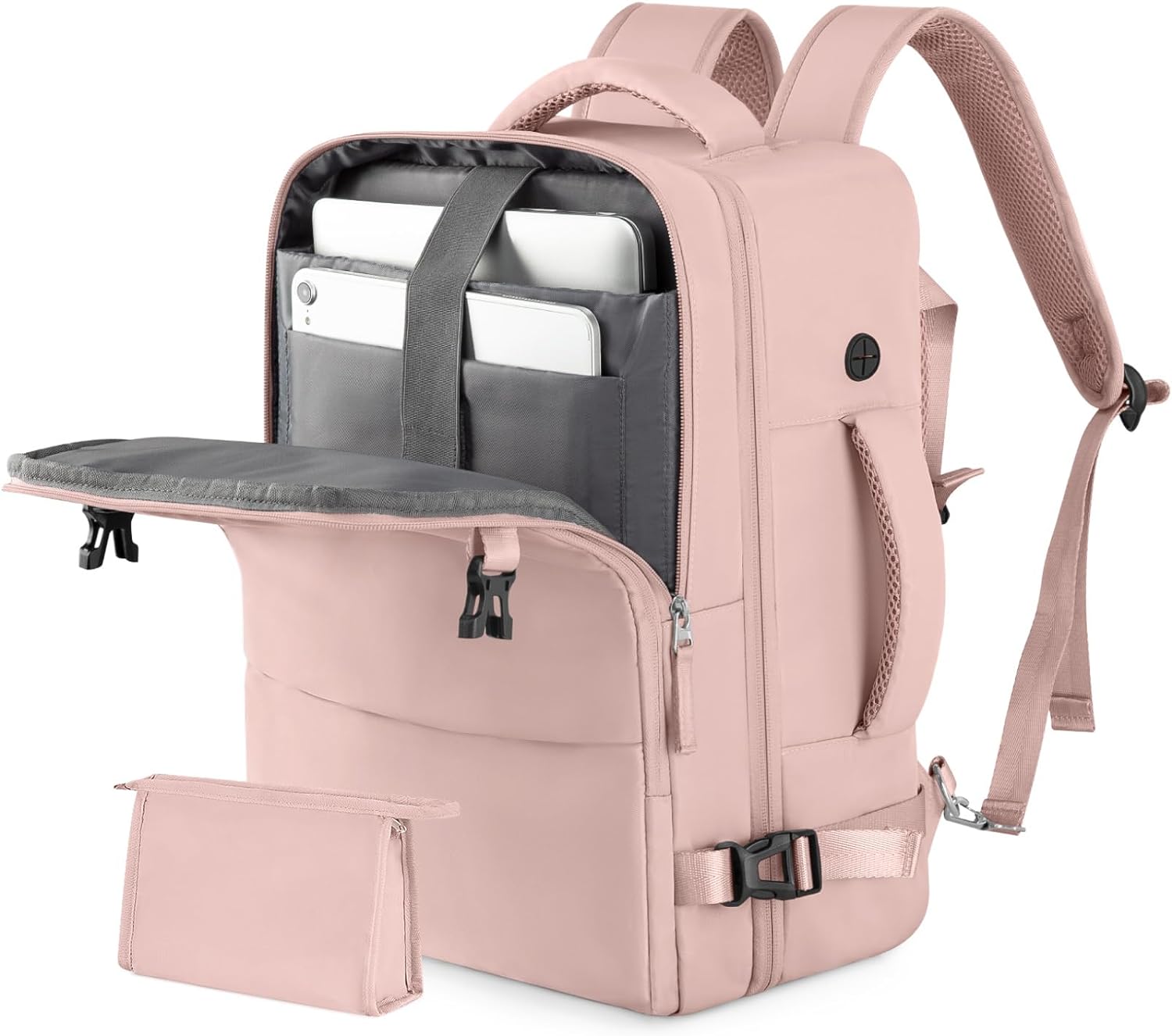
Amazon Prime Day is here, and it’s the perfect opportunity for students preparing to study in the UK to grab essential items at fantastic discounts. Whether you need electronics, or travel essentials, Prime Day has you covered.


Electronics, travel essentials, and clothing are best bought before students move to the UK to ensure preparedness, compatibility, and comfort. On the other hand, larger items like dorm essentials and bedding are more practical to buy locally. The UK offers a wide range of stationery with more options and often at lower prices compared to the US. Additionally, it’s uncommon for students to buy appliances, as most dorms or flats are equipped with the necessary kitchen facilities. This will save you from the hassle and expense of shipping bulky items and saving you money. By planning ahead and making smart purchasing decisions, you can ensure a smoother, more enjoyable experience as you embark on your studies in the UK.

Let’s explore some top deals that will help make your transition to student life in the UK smooth and stress-free.

Women’s Waterproof Raincoat

26% off
Deal Price: $36.79

Men’s Waterproof Packable Raincoat

39% off
Deal Price: $26.39

Samsonite 2-Piece Luggage Set

55% off
Deal Price: $185.56

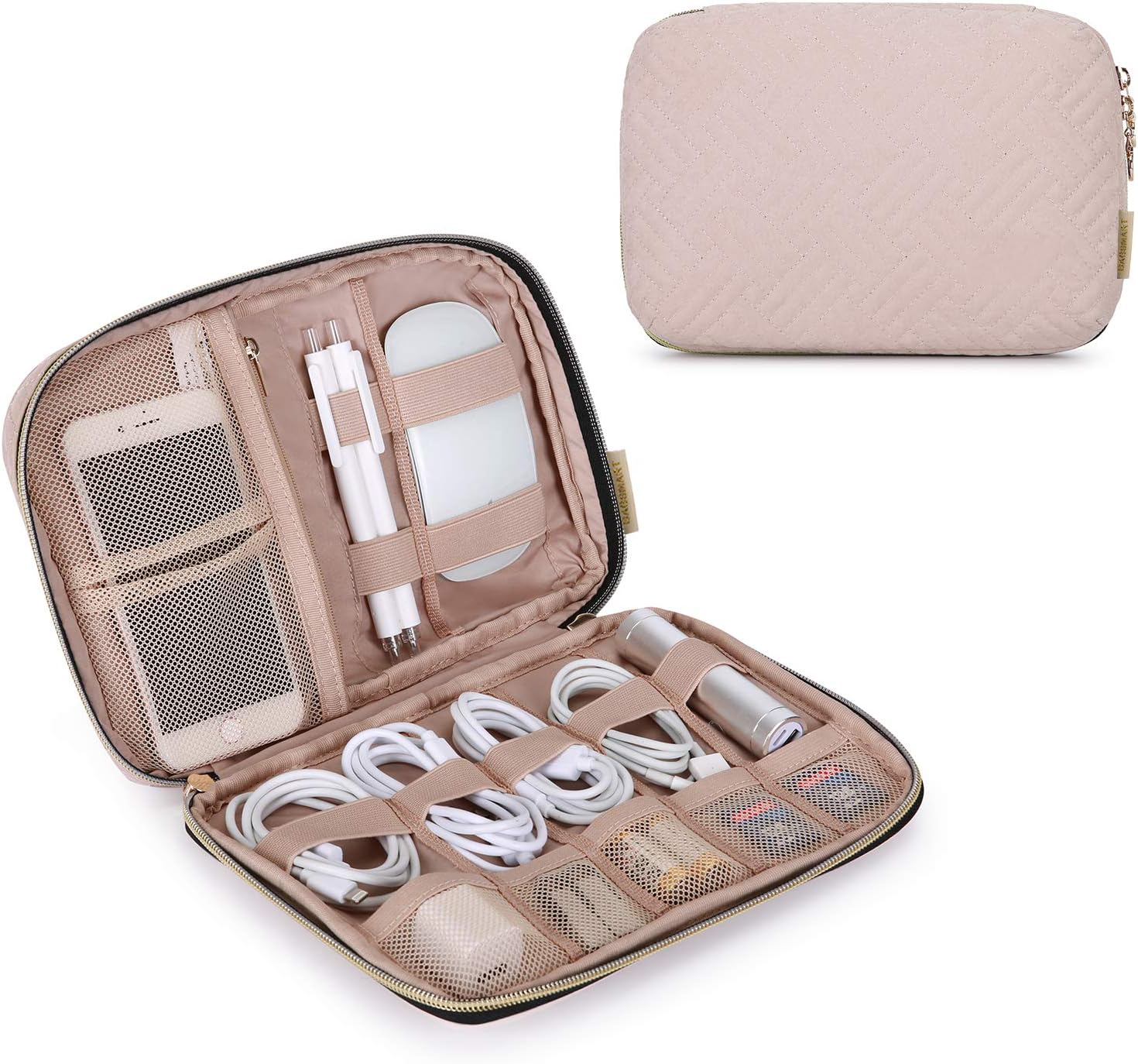
Apple 2024 MacBook Air 13”

18% off
Deal Price: $898.99

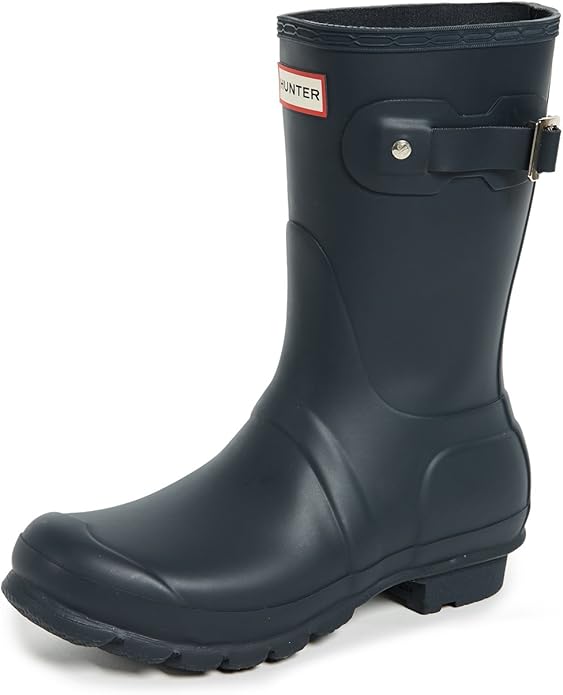
Hunter’s Women Short Rain Boot

30% off
Deal Price: $118.75

Hunter’s Women Short Rain Boot

30% off
Deal Price: $129.50

Sperry Men’s Rain Boot

50% off
Deal Price: $49.98

Worldwide Hair Dryer

5% off
Deal Price: $34.99

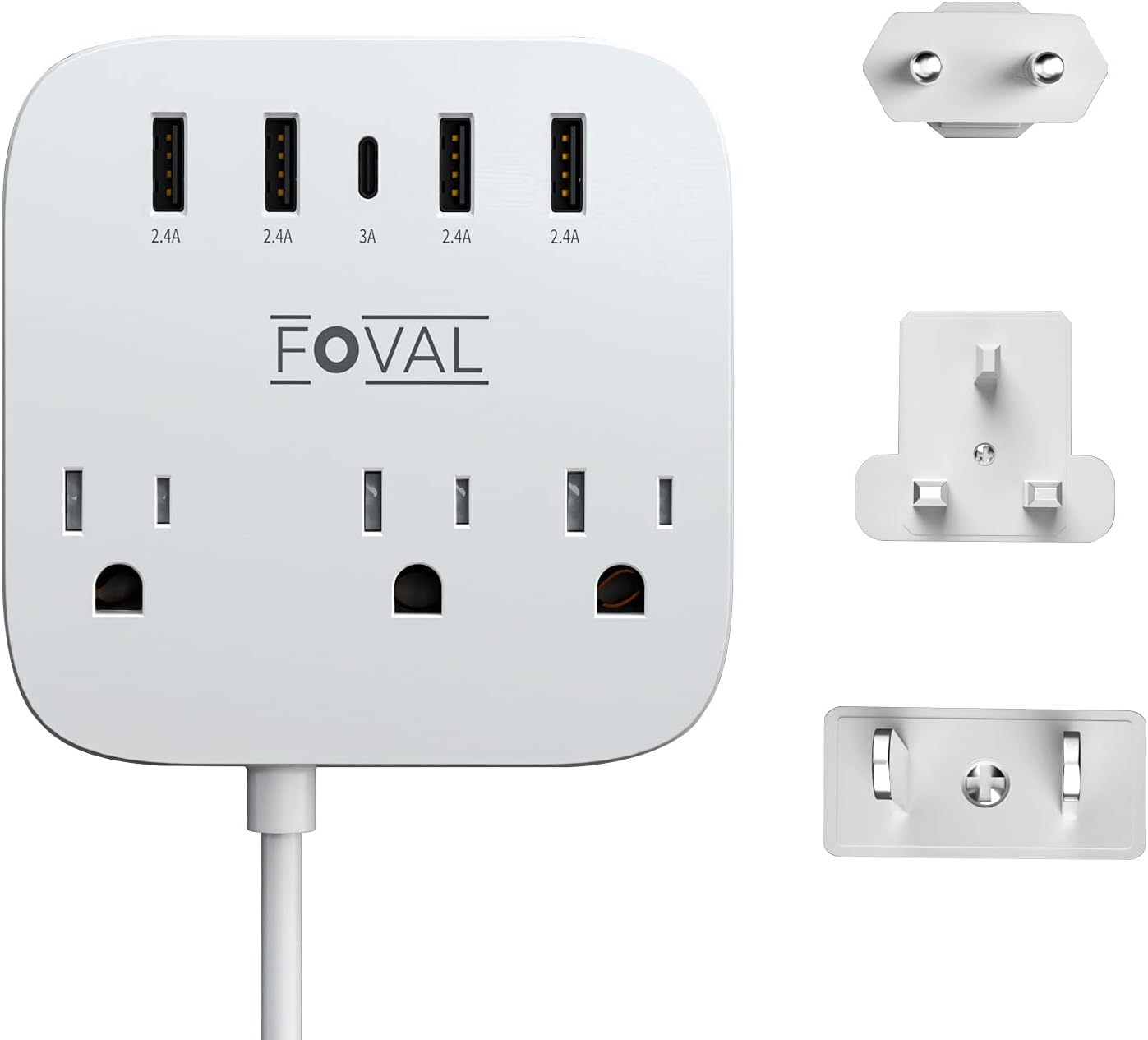
International Travel Power Cord Adapter

19% off
Deal Price: $20.98

BOSE Sound Portable Speaker

34% off
Deal Price: $99.00

Travel Luggage Vacuum Bags

29% off
Deal Price: $23.99

8 Silicone Bottle Covers

21% off
Deal Price: $7.89

Large makeup Bag w/ LED Mirror

15% off
Deal Price: $22.93

JLab Go Air Sport Headphones

33% off
Deal Price: $19.99

Spacesaver's Vacuum Storage Bag

32% off
Deal Price: $30.68

BAGSMART Toiletry Bag Hanging Organizer

11% off
Deal Price: $24.98

Fireproof Document Bag

17% off
Deal Price: $28.99

Travel Passport Wallet Holder

13% off + %5 off coupon
Deal Price: $13.99

Travel Size Jewelry Box

47% off
Deal Price: $9.49

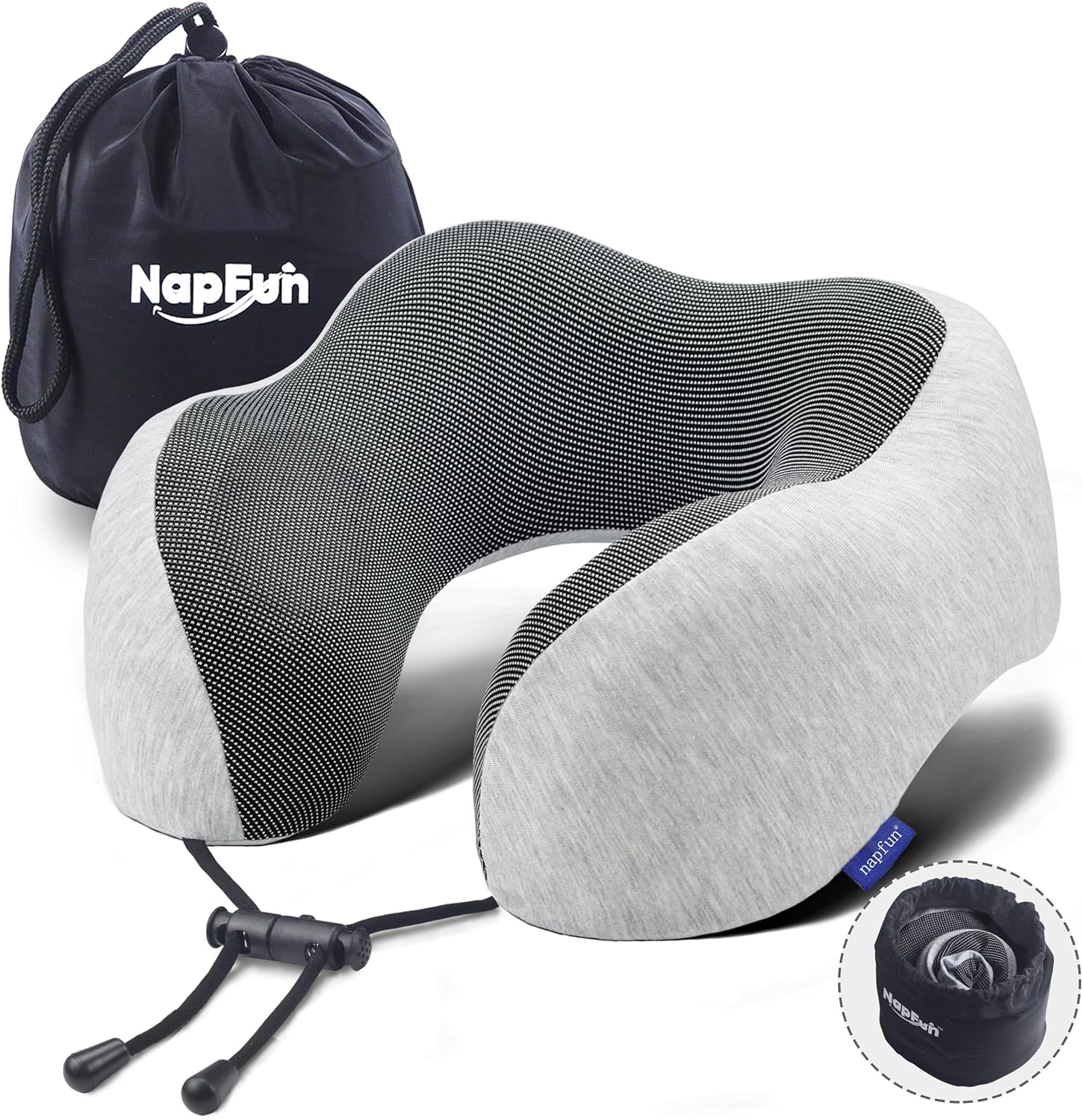
Neck Pillow for Traveling

28% off
Deal Price: $15.86

Not on sale, but worth getting:

If you are looking for Dorm Essentials (Bedding, kitchenware) or Study Supplies (Stationery, planners, and backpacks), we recommend getting them in the UK since they have different bed sizes, are less bulky to buy than shipping it, or are cheaper and easier to get. 

Using a 529 Plan for a UK University | The UK Study Expert

If you are a student who has a 529 plan, a tax-advantaged savings plan in the United States designed for qualified higher education expenses, you may wonder if you can use it to fund your studies at a university in the United Kingdom (UK). While 529 plans are primarily intended for education expenses in the United States, it is possible to use them for studying abroad, including at a UK university. Here’s a guide on how to use your 529 plan at a UK university:


1. Confirm Eligibility:

The first step is to ensure that your chosen UK university is an eligible institution according to the rules of your 529 plan. Most accredited colleges and universities in the UK are considered eligible institutions for 529 plan purposes. However, it’s always wise to verify this with your plan provider or financial advisor.


2. Understand Qualified Expenses:

Your 529 plan funds can be used to cover “qualified expenses” which typically include tuition, fees, room and board (if you are enrolled at least half-time), textbooks, supplies, and required equipment. However, it’s important to note that expenses such as transportation, insurance, and other personal expenses may not be considered qualified expenses. Make sure to review the specific guidelines of your 529 plan and the expenses allowed for reimbursement.
 

3. Withdraw Funds:

To access the funds in your 529 plan, you will need to initiate a withdrawal. This can typically be done online or by submitting a withdrawal request form to your plan provider. You will need to specify the amount you wish to withdraw and provide information about the beneficiary (i.e., the student) and the eligible expenses you plan to cover.


4. Keep Documentation:

It’s crucial to keep thorough documentation of your expenses and receipts, as you may need to provide them for tax purposes or in case of an audit. This includes tuition bills, enrollment statements, receipts for textbooks and supplies, and other relevant documents. It’s essential to follow the record-keeping requirements of your 529 plan and the U.S. tax laws.


5. Be Mindful of Taxes and Exchange Rates:

When using your 529 plan to pay for expenses at a UK university, it’s important to understand the potential tax implications and exchange rates. While qualified withdrawals from a 529 plan are generally tax-free at the federal level in the United States, they may be subject to state taxes or penalties if used for non-qualified expenses. Additionally, currency exchange rates can fluctuate, and converting U.S. dollars to British pounds may result in transaction fees or varying exchange rates, which could affect the overall cost of using your 529 plan funds.


6. Plan Ahead:

It’s crucial to plan ahead and estimate your expenses carefully to ensure that you have sufficient funds in your 529 plan to cover your UK university costs. Tuition, fees, and other expenses at UK universities can vary widely, so make sure to research and budget accordingly.


7. Seek Professional Advice:

Using a 529 plan to pay for expenses at a UK university can be complex, and it’s advisable to seek professional advice from a qualified financial advisor or tax professional to ensure that you are following all the rules and regulations associated with your specific 529 plan, U.S. tax laws, and any applicable UK regulations.


In conclusion, while 529 plans are primarily intended for education expenses in the United States, it is possible to use them to fund studies at a UK university. However, it’s essential to understand the rules and regulations of your specific 529 plan, as well as U.S. tax laws and any applicable UK regulations. Proper planning, documentation, and seeking professional advice are crucial.


Dual Offers Dilemma: US vs UK Choice | The UK Study Expert


As a US student faced with the dilemma of accepting an offer from a US university for May 1 or meeting the conditional offer from a UK university in June, careful consideration and planning are crucial. Here are some professional suggestions on how to navigate this situation and make an informed decision.


  1. Consider Accepting the US Offer: Given the May 1 deadline commonly set by US universities, it may be wise to accept the US offer and secure a spot. This allows for certainty in the short term, while also providing the opportunity to explore options with the UK offer.

  2. Evaluate the Conditional Offer: US students should carefully review the conditions attached to the UK offer. Assess the likelihood of meeting these conditions, such as achieving specific grades or fulfilling other requirements, by the stipulated deadline in June. You may be able to ask your UK university if this is a hard conditional requirement. If you are just short of meeting the requirement, the US recruitment officer may be able to speak on your behalf to admissions. If you don’t meet their requirements, you can also rely on your insurance university choice as a back-up or the university may be able to provide another option, such as a Foundation Year.

  3. Explore Deferral Options: If feeling torn between the two offers, US students may want to consider deferring one of them. Some US and UK universities may offer deferral options, allowing students to postpone their admission for a year. This can provide additional time to make an informed decision and meet the conditions of the UK offer.

  4. Communicate with Universities: It’s important to keep communication lines open with both US and UK universities. Inform them about your decision, inquire about deferral options, and seek clarifications on any queries or concerns you may have. Professional and timely communication can help navigate the process smoothly.

  5. Evaluate Priorities and Goals: Reflect on your priorities and long-term goals. Consider factors such as academic programs, university reputation, location, career opportunities, and cost of education. Carefully weigh the pros and cons of studying in the US versus the UK, and how each aligns with your personal and professional aspirations.

  6. Consider Financial Implications: Evaluate the financial aspects of both offers, including tuition fees, living expenses, and available financial aid options. Factor in potential currency exchange rates and cost of living in the UK. Develop a budget and assess the financial impact of each option.


In conclusion, US students facing the decision of accepting offers from both US and UK universities should approach it strategically. By carefully considering the conditional offer, exploring deferral options, communicating with universities, and evaluating priorities and financial implications, students can make an informed decision that aligns with their academic and career goals.


How The UK Study Expert Search Tool and Quiz Can Help You


Lucky for you, the UK Study Expert has taken the guesswork out of figuring out what each university requires with our handy dandy search tool. Or you can find your best university by taking our free UK University Quiz Match.


Need to speak to an advisor about studying in the UK? Check our Services webpage to see what the best available options are for your needs. 


US & UK University Offers and Options | The UK Study Expert

Deciding where to pursue higher education is a crucial decision for students, especially when they have offers from universities in different countries. For US students who have received offers from both US and UK universities, it’s important to carefully weigh their options and make an informed decision. One of the key considerations is whether to put a deposit down and accept their US university offer for May 1, while also accepting an offer from a UK university with a conditional offer that they would need to meet in June. Let’s explore the best approach for US students facing this situation.


Understand the UK Conditional Offer System


In the UK, universities often make conditional offers to students, which means that their offer is contingent upon meeting specific conditions, such as achieving certain grades in their final exams. For US students, this may be different from what they are accustomed to, as US universities typically provide unconditional offers, meaning that students are admitted without any conditions attached.


Before making a decision, it’s important for US students to thoroughly understand the UK conditional offer system and carefully review the conditions set by the UK university. They should consider factors such as the likelihood of meeting the conditions and the potential consequences if they fail to meet them.


Consider Your Priorities and Goals


US students should reflect on their priorities and goals when making a decision between a US and UK university offer. Factors such as academic programs, reputation of the universities, location, career opportunities, and cost of education should be considered.


US universities are known for their strong programs in various fields and may offer specialized programs that align with a student’s career goals. On the other hand, UK universities are renowned for their academic excellence and may offer a different educational experience, with a focus on a more specialized curriculum in a shorter time frame.


Students should also consider the location of the universities and their preferences for living abroad. Studying in the UK may offer a unique cultural experience and an opportunity to travel and explore Europe, while studying in the US may offer a different lifestyle and cultural experience.


Evaluate Financial Considerations


Financial considerations play a significant role in decision-making for many students. US and UK universities have different tuition fees, living expenses, and financial aid options. US universities tend to have higher tuition fees and living expenses compared to UK universities. However, financial aid options may vary between universities and students should carefully review the cost of attendance for each university, including tuition, housing, transportation, and other expenses, as well as the availability of scholarships, grants, and loans.


US students should also consider the potential impact of currency exchange rates and the cost of living in the UK, as it may fluctuate during their years of study. Creating a budget and evaluating the financial implications of studying in the US versus the UK is crucial in making an informed decision.


Manage Deadlines and Keep Communication Open


US students who have received offers from both US and UK universities should be mindful of the deadlines for accepting and declining offers. The May 1 deadline is common for US universities, and students should ensure that they submit their acceptance or decline by the designated deadline to secure their spot.


For UK universities, the conditional offer typically requires meeting certain conditions by a specified deadline, which is often in June or July. US students should carefully review the conditions and ensure that they can fulfill them on time. It’s crucial to keep communication lines open with both US and UK universities, and inform them about your decision as soon as possible to avoid any misunderstandings or complications.


Consider a Strategic Plan


If a US student is torn between accepting an offer from a US university for May 1 and meeting the conditional offer from a UK university in June, they may consider deferring their offer or accepting the US offer for May 1 to insure the student meets the UK’s conditional offer. More information on this information is listed here. determining if the student meets the conditions for the UK offer. Some US universities and UK universities may allow students to defer their admission for a year, which gives them more time to make an informed decision and meet the conditions. More information on this can be found here: Dual Offers Dilemma: Strategic Decision-making for US and UK University Offers.


Using the GI Bill to Study in the UK | The UK Study Expert

If you are a US student who is planning to apply to a university in the UK with the support of the GI Bill, there are several steps you need to take. The GI Bill is a program that provides educational benefits to veterans and their dependents, and it can be used to study at approved institutions in the UK.


Here’s what you need to do:


  1. Choose an approved institution/degree: The first step is to select a university that is approved by the US Department of Veterans Affairs (VA) for GI Bill benefits. The VA maintains a list of approved institutions on its website, so be sure to check that your chosen university is on the list.

    These are the following links:

    https://www.va.gov/education/gi-bill-comparison-tool/

    https://inquiry.vba.va.gov/weamspub/searchInst.do#content-area

    You can also reach out to their international office to check if the GI Bill is accepted. Not only does the university need to be approved, but the degree approved as well.

  2. Apply to the university: Once you have selected an approved institution, you will need to apply to the university. Follow the application process for international students, and make sure to mention that you are planning to use the GI Bill benefits. You may also need to provide additional documentation to show that you are eligible for the benefits.

  3. Apply for the GI Bill: If you are not already receiving GI Bill benefits, you will need to apply for them. You can do this by visiting the VA website and completing the application process. Be sure to choose the correct GI Bill program based on your eligibility.

  4. Provide documentation to the university: Once your application for the GI Bill benefits has been approved, you will need to provide documentation to the university. This may include a certificate of eligibility or other paperwork from the VA.

  5. Attend orientation: Many universities in the UK offer orientation sessions for international students. Be sure to attend these sessions to learn about the resources available to you and any additional steps you may need to take.

  6. Keep in touch with the VA: Throughout your time at the university, it is important to keep in touch with the VA to ensure that your benefits are being processed correctly. If you experience any issues or have questions, reach out to the VA for assistance.

By following these steps, you can use the GI Bill to study at a university in the UK and pursue your educational goals. Good luck with your application!


Affordable Degrees in the UK for Students | UK Study Expert

Many students and parents have the misconception that studying in the UK will be more expensive than staying in the US. They couldn’t be more wrong!


Studying in the UK ends up being the same cost, if not cheaper, than studying in the US. According to this recent article from Forbes, US university tuition and expenses are higher than almost every other country.


University Tuition and Living Costs in the UK vs. the US

 Going to university in the UK is far more financially beneficial to go to university in the UK than in the US. The average tuition for a year of education in the UK can range from $12,000 – $31,000 for a year 3 bachelor’s degree, compared to the US, where the average tuition for one year is $25,707 (in-state tuition) and can go up to $54,501 (private universities).


As for Living expenses (accommodation + travel + food, etc.) can be anywhere from $11,000 to $18,000 per year (British Council, 2022).


Some students manage to do things even cheaper than that! It depends on your lifestyle, and if you’re living in student housing, or private housing, with or without flatmates.


Why are UK degrees generally cheaper? Let’s go over the reasons why, as well as the ways US students fund their UK studies.


UK Degrees are Shorter in Length

Students can complete both their bachelor’s and master’s degree in just 4 years – saving them 2 years of expensive tuition and living expenses.


Standard degrees in England, Wales and Northern Ireland universities are 3 years in length. Master’s degrees are completed in 1 year. PhD’s can range from 3 to 4 years.


Of course, there are some exceptions to this rule for specialty programs, but the lengths mentioned above are generally the case. Cutting out an extra year of study is undoubtedly going to save a student a lot of cash!


As for Scotland, bachelor’s degrees are 4 years in length. The price a student would pay studying in Scotland would be comparable to studying at an in-state university in the US, however, the experience couldn’t quite compare.


So, if you are looking to strategically save and earn both your bachelor’s and master’s degree, the UK is a highly attractive option. Earning both degrees in the US could take as long as 6 years or more. Can you imagine coming back to the US with a master’s degree, while your friends studying in the US have just completed or are trying to complete their bachelor’s degree?


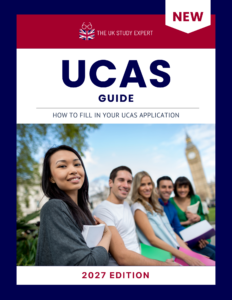
? Need help with your UCAS application? Get our UCAS Guide for $27


Costs Vary by University and Location

There is a narrow range of tuition costs across the UK, thus, it’s pretty easy to apply to universities within your budget with a little research. Not surprisingly, universities outside of London will be cheaper than universities within London, especially when it comes to accommodation and living costs. Welsh universities end up being a steal, so don’t sleep on them!


Furthermore, if a university is really well known or very highly ranked, they may be more expensive than universities that are lesser known. Our search tool can help you discover universities that offer a good education, but aren’t as well known as some of the main contenders you’ve already heard of.


Using FAFSA to Fund Your UK Studies

Did you know that FAFSA will let you use your student loans for UK universities? The process works the same as the US: UK universities have FAFSA codes you can easily plug into the application.

Once you confirm an offer at a UK university, you’ll work with the finance team to complete the FAFSA process. It’s really that simple!


Scholarships are Available

UK universities open up scholarships to students in early spring. Scholarships typically range from £1,000 – £5,000 and are applied for after you send in your university application. Many students are able to win scholarships that help offset costs.

If you are looking for larger scholarships, check out our scholarships page to learn a variety of options.


Employment in the UK as a Student

Beyond loans and scholarships, you can actually work up to 20 hours in the UK while studying. Outside of term, students are able to work up to 40 hours a week. This is not a common practice in every country, so it’s a nice bonus that the UK offers students this option.


Application Fees are Cheap and/or Non Existent

One thing to note is that application fees are also very cheap in the UK. It’s roughly  $30 to apply to up to 5 universities for bachelor’s programs, and generally free to apply to master’s and PhD programs (except for some specialty programs, like MBA’s). This makes it easy and cheap for a student to apply to UK programs.

Resources: Education Data Initiative


How The UK Study Expert Can Help You


Are you in the process of finding the right fit UK university? Check out our university search engine. Where you’ll be able to learn about UK universities and their entry requirements.

Or you can find your best university by taking our free UK University Quiz Match.

Need to speak to an advisor about studying in the UK? Check our Services webpage to see what the best available options are for your needs. 


Need help figuring out your UCAS application? Check out our step-by-step UCAS Guide!

Get the UCAS Guide for $27


About the Author:

Ashley Jeanson is an international education expert with over 9 years of experience in the field. She’s worked for a mixture of study abroad providers, universities in the US and the UK, and third-party providers, mostly specializing in helping American students attend UK universities. In her spare time, she travels the globe and is eternally in search of the best cup of coffee. 


Visiting Wales and Welsh Scholarships

This past month, I had the privilege and opportunity to attend the Welsh Counselor Tour hosted by Study in Wales. Roughly 30 US college counselors were invited to explore a variety of Welsh universities throughout Wales.


Study in Wales is the sector of Global Wales that champion’s the promotion of Welsh universities to international students and high school counselors. These organizations advocate the variety of Welsh universities and funding opportunities to students and counselors that may have never had the consideration or opportunity in the past.


During the Study in Wales tour, we were split into two groups to visit the following universities:

Aberystwyth University, Cardiff Metropolitan University, Cardiff University, University of Wales Trinity St. David, Wrexham Glyndwr University, University of South Wales, Swansea University and Bangor University.


Not only did we tour the campuses, Study in Wales organized a special evening reception at the Royal Welsh College of Drama and Music and a Cultural Day to explore Wales and learn more about the Welsh language, culture and heritage. We stayed at the beautiful Lake Vyrnwy Hotel and Spa, and visited Harlech Castle, and Portmeirion where we had afternoon tea. Our guides, Robert Alexander and Emma Fuller, did a great job of organizing and answering our questions along the way.

Harlech Castle, May 2022

Wales may be small, but they have a variety of university options and degrees that are for every type of student. The cost of living is an attractive feature along with funding opportunities that are offered. Major funding opportunities that Americans should keep their eye on are The Global Postgraduate Scholarship Programme, Global Wales Fulbright Scholarship, Global Wales Gilman Scholarship, and the Aberystwyth University Accommodation Award. In addition, Taith is a Welsh funding opportunity that could be beneficial for a variety of programmes and exchanges. It is not a scholarship but it can support funding for students interested in studying abroad, counselors, teachers, researchers, community colleges and universities.


The Global Wales Postgraduate Scholarship programme offers scholarships worth up to £10,000 – to study a full-time masters programme in Wales. The scholarships are available to students from Vietnam, India, USA, Canada and countries of the European Union. This prestigious scheme is the first scholarship of its kind in Wales and is funded by the Global Wales Programme. The deadline is usually the end of May and to be awarded in September.


The Global Wales Fulbright Scholarship covers the first year of any master’s programme offered by a participating Welsh University. The Welsh Government, Global Wales partners, and the Welsh universities have partnered with the Fulbright Commission to provide one master’s degree scholarship to study at one of the participating Welsh Universities, in any field.


The Global Wales Gilman Scholarship is a prestigious scholarship programme for high-achieving students in the United States who wish to study in Wales. Award holders receive a study grant of up to $5,000 USD, to be used toward tuition, housing, travel, and related costs for up to one academic year. This award enables outstanding American students of limited financial means to study overseas for up to one academic year as part of their undergraduate studies. Interested students are welcome to contact their campus study abroad office or visit the Gilman Scholarship website. Application opens in August. The deadline runs until early October.


One scholarship that is very unique in the sector is the Aberystwyth University Accommodation Award. Aberystwyth University is offering undergraduate and graduate international students free housing on the several accommodation options to choose from. Free accommodation spaces are limited and will be allocated on a first come first served basis.  If there are no free spaces left, you will be sent an offer for a discounted rate in your other hall of choice.


Finally, I recommend counselors look into the Taith programme that Wales is running. Taith is an all-Wales international learning exchange programme with a £65 million investment by the Welsh Government. It is focused on promoting international exchanges to support Welsh learners broaden their horizons and instill confidence in their young learners.


Here are a few ideas on how US counselors or schools can take advantage of Taith’s funding:

  1. High school, community college and university students could attend an international exchange semester in Wales. There is reciprocal funding available too! Staff who are chaperoning high school students are also eligible for funding.

  2. Teachers and youth workers could teach or counsel Welsh students on academics or mental health support and vice versa.

  3. Research exchange and university collaborations


These opportunities are great for supporting students from disadvantaged backgrounds. Students can be funded for as little as two weeks! Funding levels depend on the level of the partnership. To learn more about Taith, you can reach out to one of the team members on their website or you can email Rob from Study in Wales.


If none of these scholarships apply to you, don’t forget that all of these Welsh universities accept FAFSA. Students can apply and use federal funding to study in Wales to fund their degree.

Having studied and completed my Bachelor’s degree at Aberystwyth, I am very familiar with Wales, but attending this tour reignited the love I have for Wales while giving me a deeper understanding of the academics, heritage, and offerings.


If you are a student or counselor and are looking for more information about studying in Wales, I recommend connecting to Study in Wales to learn more. You can also check out more information on the universities and blogs on Wales on our website.

Study: British Pound Drops vs US Dollar | UK Study Expert

Due to the recent changes from the British government on tax cuts and borrowing, the British Pound (GBP) has weakened to $0.92 per US Dollar (USD). Never has the US Dollar been so strong against the Pound.


Even before the Pound dropped, you might be surprised to know that the UK has always been a more affordable option to earn a degree compared to the US.


The average cost of tuition fees for students studying in the US on campus is $35,500 per year (Best Colleges, 2022). UK university tuition fees can range from £14,000-£26,000 per year. Not only are tuition fees far less in the UK, UK degrees in England, Wales, and Northern Ireland offer 3 year bachelor degrees (unless it’s an integrated or placement year degree). Therefore, students save an additional year of tuition and living expenses.


This also rings true to master’s degrees in the UK. A master’s degree in the UK is 12 months long. This allows the student to save another year of tuition and living expenses.


As for living expenses, if you are living in London and are on a 9 month course (degree), the UK Government recommends students applying for their UK Student Visa must have at least £12,006 to cover housing, food and transportation (not just room and board). For students living outside of London for a 9 month course, it is recommended having at least £9,207.


So if you’re looking at affordable UK degree options, you could earn your bachelor’s and master’s degrees in 4 years and save 2 years worth of tuition and living expenses!


Currency Conversion – Total Cost to Earn Your UK Degree


Now let’s convert those currency figures (GBP) to dollars (USD) in today’s economy…


If we looked at the lowest amount for UK undergraduate tuition fees (£14,000) and living fees outside of London (£9,207), the student would be looking at total expenses of £23,207 per year.


UK tuition fees and living expenses per year for a student living outside of London could be as low as $25,000 per year (xe.com, Sept 28, 2022).


If we looked at the highest amount for UK undergraduate tuition fees (£26,000) and living inside of London (£12,006), the student would be looking at total expenses of £38,006 per year.


UK tuition fees and living expenses per year for a student living inside of London could be as high as $41,000 per year (xe.com, Sept 28, 2022).


Is this the time to be looking at earning your degree in the UK more than ever? Is the pound expected to jump back and rise?


We can’t predict the future but from what we’ve read, it looks positive for Americans. The US dollar has strengthened and played a contributing factor. Economics have also pointed out that they don’t see the pound jumping back up anytime soon. The Washington Post interviewed Barry Eichengreen, a professor of economics at the University of California at Berkeley, who said “Recovery is not on the horizon” for the foreseeable future.


How Can I Start My Search and Find the Right UK University Match for Me?


There’s two main resources students can look to find the right UK University fit…

Students can start by taking The UK Study Expert UK University Match Quiz which asks you questions about what degree you are interested in applying to (undergraduate or graduate), your interests, and academic profile. The quiz will then populate the top 5 UK universities that best match your profile.

The UK Study Expert also has an Undergraduate UK University Search Engine and Postgraduate UK University Search Engine. Students can input their GPA, SAT scores, ACT scores, how many AP exams they have taken/will take, subject interest, and more. They can input as much information or as little of their academic profile and interests. Once added, the search engine will populate UK university options that match their interests and entry requirements.


UK universities have clear, transparent information for students to be admitted into their universities. They favor academics rather than looking at a holistic review of a student’s profile. To find out their US entry requirements, students can click on any of The UK Study Expert UK university pages to find out their US entry requirements.


How to Apply for a UK Student Visa

If you’re currently ripping your hair out over the sheer amount of confusion from the UK student visa application process, then you’ve come to the right place.


Here, we are going to break down and simplify the steps for applying for a UK Student Visa to study at UK universities. This article is specifically for US students applying for a UK Student Visa, also known as the Tier 4 Visa.


Let’s start with the basics. There are a few things you need to have before you begin the visa application process.


The 4 Things Needed Before You Begin the Visa Application Process


1.     An unconditional offer from a UK university, which you’ve accepted and paid your deposit for.

2.     You have your proof of funds taken care of, which just means that you know how you’re paying for university, and you have a document to prove it. Either, you’ll be using savings (or your parent’s savings), or FAFSA/Private Loans, or a mixture of both to provide proof of funds.

3.     A CAS Statement from that university. CAS stands for Confirmation of Acceptance for Studies. The CAS statement will be sent to you via email from the university after you complete step number 1 and, in some cases, 2.

4.     A valid passport, of course! If your passport is close to expiring, you should consider renewing it before applying for the Tier 4 Visa.


When to Apply for Your Visa

You can apply for your visa when you are within 6 months from your program’s start date. If you try to apply any further out than that, your visa will be rejected. For example, if your program starts in September, the earliest you can apply is March. Once you are within the 6-month window, and you have all the required items mentioned in the ‘The 4 Things Needed Before You Begin the Visa Application Process’ section, you are all set to apply.


Where to Apply for a UK Tier 4 Student Visa

The official site to apply for a UK Tier 4 Student Visa is on the UK government website, called gov.uk. Here is the link where you can apply for the visa.


How Much Does the Visa Cost?

The cost of the visa actually depends on the length of your program. The current visa application fee is £363, but may go up at any point at the discretion of the Home Office, who is the governing body overseeing visas. In addition to the application fee, you must pay a health surcharge. This surcharge gives you healthcare for the entirety of your program in the UK. To calculate exactly how much your surcharge will be, please use this calculator provided by the Home Office: https://www.immigration-health-surcharge.service.gov.uk/checker/type


Below, we’ll also give a basic breakdown of what to expect to pay in total for the visa application fee + health surcharge:


1-Year Master’s Degree: £1068  (£363 plus £705 for health surcharge)

2-Year Master’s Degree or Program: £1538 (£363 plus £1175 for health surcharge)

3-Year Bachelor’s or PhD Degree: £2008 (£363 plus £1645 for health surcharge)

4-Year Bachelor’s or PhD Degree: £2478 (£363 plus £2115 for health surcharge)

*For updated costs, always refer to the gov.uk website*


What Happens After I Fill Out the Visa Application Online?


A couple things happen. First, you will be taken to the VFS website, where you will schedule your biometrics appointment at an application support center. VFS handles biometrics and other administrative visa needs for various countries.


At this appointment, your electronic fingerprints will be taken, as well as a digital photograph of your face. You will walk away from the appointment with a biometrics document needed for your visa. Once you have this document, you are ready for the final step of the visa application process.


Sending in Your Visa Materials

After you fill out your visa application online, you will be given a documents checklist detailing what items you need to send in to obtain your visa. You will also be given an address where you’ll send your materials to the Home Office (typically a New York office).

Make sure to refer to your Documents Checklist for specific documents you need to send in with your application.

Waiting for Your Visa

After you send all materials to the Home Office, the typical processing time is 2-3 weeks; however, processing times may vary depending on the time of the year (it could take longer during busy visa seasons) or may take less time if you’ve paid for priority service.

Your passport with the visa adhered inside will be returned to you via mail. Once you get this, you are now all set to jet to the UK!

The Last Step

Once you get to the UK, you’ll have 10 days to pick up what’s called your Biometrics Resident Permit (a.k.a. the BRP card), which acts as an ID card in the UK. Most universities recommend you pick up the BRP card on your university campus, but you can also pick it up at the nearest Post Office (the visa application will let you choose where to pick it up).


With this last step, the process is complete, and you are ready to embark on your adventure as a newly minted student and expat in the UK!


About the Author:

Ashley Jeanson is an international education expert with over 9 years of experience in the field. She’s worked for a mixture of study abroad providers, universities in the US and the UK, and third-party providers, mostly specializing in helping American students attend UK universities. In her spare time, she travels the globe and is eternally in search of the best cup of coffee.


Am I Eligible to Pay UK Home Fees?

Let’s say that your student (or child) is British and has applied to the UK, but is currently living here in the US. The family is wondering, hmm, since we are British, are we eligible to pay Home (domestic) Fees or are we categorized as “international” and pay the International Fees?


Whether you pay “Home” or “International” fees depends on whether you meet certain criteria. Speaking with Falmouth University we were able to clarify. To be classed as a “Home” student, you normally need to meet one of two basic criteria before the first day of the first academic year of the course:


  • The student must have “Settled” status in the UK. Meaning, the student will have no time limit on the amount of time they can reside in the UK. That usually means a UK passport or another form of “indefinite leave to remain” granted by the UK government.


OR


  • The student must have been a “Resident” in the UK for the three years prior to the start of the course. That means they have been working, studying, and generally living their everyday life in the UK.


There are some exceptions to this, such as, parents owning a property in the UK and paying UK taxes. If you are categorized as a “Home Fee” student, it’s worth noting that it may be more competitive for admissions.


We recommend checking with the university for confirmation. Some universities will offer confirmation before a student applies; however, most will recommend applying first and will review the student’s application before assessing their status.


If you’re interested in learning more about the different policies, you can check UKCISA guidelines to help navigate what your status is. UKCISA also has a useful overview.


How The UK Study Expert Search Tool and Quiz Can Help You


Are you in the process of finding the right fit UK university? Check out our university search engine. Where you’ll be able to learn about UK universities and their entry requirements.

Or you can find your best university by taking our free UK University Quiz Match. 


Need to speak to an advisor about studying in the UK? Check our 
Services webpage to see what the best available options are for your needs.