BIMM University Summer Programs

UK Summer Performing Arts, Music & Film Courses – BIMM University

For over and under 18 years old!


Are you passionate about studying in the UK and are interested in building your performing arts, music and film resume over the Summer? Maybe you would like to try out a UK summer course before fully committing to earning a UK degree.  BIMM University is offering a fantastic range of summer courses designed for both under-18 and over-18 students who want to develop their skills, gain industry insights, and connect with like-minded creatives.

With limited spaces available, spots are filling quickly! These courses provide a unique opportunity to immerse yourself in music, acting, filmmaking, or production while learning from industry professionals.


Featured Summer Courses

Performers College International Summer School (Ages 16-18)

A world-renowned program offering a comprehensive range of dance, acting, and singing classes to challenge and inspire young performers.


MetFilm Young Filmmakers Academy (Under 18 years old)

Explore the fundamentals of filmmaking, from storytelling and directing to editing with Adobe Premiere Pro—no experience required!


Additional Performing Arts & Music Courses

We also have a range of other courses for students of all ages!


For Students Under 18


Performers College Summer School (Ages 12-18)
Locations: Essex, Brighton, Birmingham, and Manchester | 1 week |
Learn More & Apply


Northern Ballet School Summer Workshop (Ages 13-18)
Location: Manchester, England | 2 days
Learn More & Apply


Young Filmmakers Academy (Non-Residential)

Locations: Birmingham, Brighton, Leeds, London, Manchester | 2 weeks
Learn More & Apply


Young Actors Academy (Non-Residential)

Locations: London | 2 weeks

Learn More & Apply


Young Filmmakers Workshop

Locations: Birmingham, London, Manchester | 2 days

Learn More & Apply


For Students Over 18

Theatre & Dance Courses

Acting for Stage & Screen Essentials
Location: Essex | 4 weeks
Learn More & Apply


Choreography and Creative Direction
Locations: Birmingham or Essex | 2 weeks
Learn More & Apply


Technical Theatre Production Essentials
Locations: Birmingham or Manchester | 4 weeks
Learn More & Apply


Music Courses

Band Bootcamp
Locations: London and Bristol | 2 weeks
Learn More & Apply


Songwriting Camp
Locations: London, Berlin, Birmingham, Bristol, and Manchester | 2 weeks
Learn More & Apply


Contemporary Music Making
Locations: Bristol and Manchester | 2 weeks
Learn More & Apply


Professional Beat Making and Production
Locations: Berlin, Bristol, and Manchester | 2 weeks
Learn More & Apply


Music Business and Promotion
Locations: Brighton, Bristol, and London | 2 weeks
Learn More & Apply


Music for Screen, Film, and Games
Locations: London, Berlin, Brighton, Bristol, and Manchester | 2 weeks
Learn More & Apply


Touring and Live Performance
Locations: London, Brighton, Birmingham, and Manchester | 2 weeks
Learn More & Apply


Film Courses

Weekend courses, programs for under-18 students, and comprehensive four-week intensives are all available through MetFilm School. Explore their full range of short courses and find the perfect film program to match your schedule and interests at: https://www.metfilmschool.ac.uk/study-with-us/short-courses


See more of the list of courses here:
Performing Arts & Dance
Short Music Courses


Have Questions?

For more details on course costs, what’s included, and how to apply, feel free to reach out to Andrew Moss via WhatsApp or email:
WhatsApp: +1 561-248-9157
Email: [email protected]


We look forward to helping you take your performing arts skills to the next level this summer!


Amazon Prime Day 2024: UK Student Deal | The UK Study Expert

Amazon Prime Day is here, and it’s the perfect opportunity for students preparing to study in the UK to grab essential items at fantastic discounts. Whether you need electronics, or travel essentials, Prime Day has you covered.


Electronics, travel essentials, and clothing are best bought before students move to the UK to ensure preparedness, compatibility, and comfort. On the other hand, larger items like dorm essentials and bedding are more practical to buy locally. The UK offers a wide range of stationery with more options and often at lower prices compared to the US. Additionally, it’s uncommon for students to buy appliances, as most dorms or flats are equipped with the necessary kitchen facilities. This will save you from the hassle and expense of shipping bulky items and saving you money. By planning ahead and making smart purchasing decisions, you can ensure a smoother, more enjoyable experience as you embark on your studies in the UK.

Let’s explore some top deals that will help make your transition to student life in the UK smooth and stress-free.

Women’s Waterproof Raincoat

26% off
Deal Price: $36.79

Men’s Waterproof Packable Raincoat

39% off
Deal Price: $26.39

Samsonite 2-Piece Luggage Set

55% off
Deal Price: $185.56

Apple 2024 MacBook Air 13”

18% off
Deal Price: $898.99

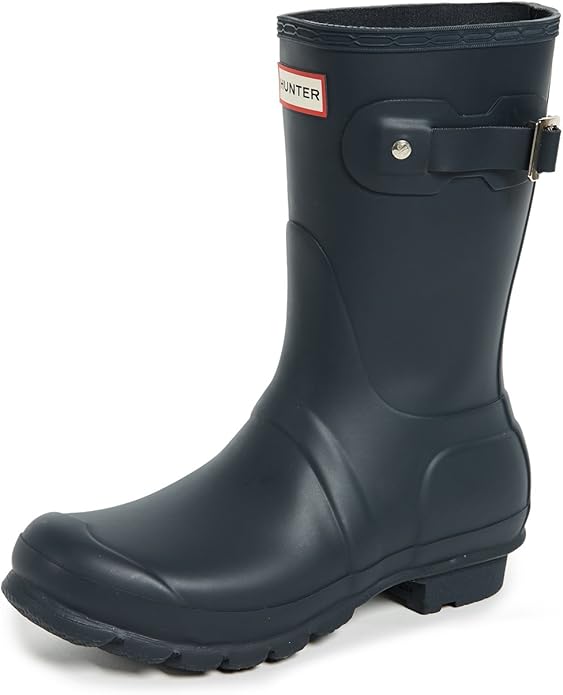
Hunter’s Women Short Rain Boot

30% off
Deal Price: $118.75

Hunter’s Women Short Rain Boot

30% off
Deal Price: $129.50

Sperry Men’s Rain Boot

50% off
Deal Price: $49.98

Worldwide Hair Dryer

5% off
Deal Price: $34.99

International Travel Power Cord Adapter

19% off
Deal Price: $20.98

BOSE Sound Portable Speaker

34% off
Deal Price: $99.00

Travel Luggage Vacuum Bags

29% off
Deal Price: $23.99

8 Silicone Bottle Covers

21% off
Deal Price: $7.89

Large makeup Bag w/ LED Mirror

15% off
Deal Price: $22.93

JLab Go Air Sport Headphones

33% off
Deal Price: $19.99

Spacesaver's Vacuum Storage Bag

32% off
Deal Price: $30.68

BAGSMART Toiletry Bag Hanging Organizer

11% off
Deal Price: $24.98

Fireproof Document Bag

17% off
Deal Price: $28.99

Travel Passport Wallet Holder

13% off + %5 off coupon
Deal Price: $13.99

Travel Size Jewelry Box

47% off
Deal Price: $9.49

Neck Pillow for Traveling

28% off
Deal Price: $15.86

Not on sale, but worth getting:

If you are looking for Dorm Essentials (Bedding, kitchenware) or Study Supplies (Stationery, planners, and backpacks), we recommend getting them in the UK since they have different bed sizes, are less bulky to buy than shipping it, or are cheaper and easier to get. 

Dual Offers Dilemma: US vs UK Choice | The UK Study Expert


As a US student faced with the dilemma of accepting an offer from a US university for May 1 or meeting the conditional offer from a UK university in June, careful consideration and planning are crucial. Here are some professional suggestions on how to navigate this situation and make an informed decision.


  1. Consider Accepting the US Offer: Given the May 1 deadline commonly set by US universities, it may be wise to accept the US offer and secure a spot. This allows for certainty in the short term, while also providing the opportunity to explore options with the UK offer.

  2. Evaluate the Conditional Offer: US students should carefully review the conditions attached to the UK offer. Assess the likelihood of meeting these conditions, such as achieving specific grades or fulfilling other requirements, by the stipulated deadline in June. You may be able to ask your UK university if this is a hard conditional requirement. If you are just short of meeting the requirement, the US recruitment officer may be able to speak on your behalf to admissions. If you don’t meet their requirements, you can also rely on your insurance university choice as a back-up or the university may be able to provide another option, such as a Foundation Year.

  3. Explore Deferral Options: If feeling torn between the two offers, US students may want to consider deferring one of them. Some US and UK universities may offer deferral options, allowing students to postpone their admission for a year. This can provide additional time to make an informed decision and meet the conditions of the UK offer.

  4. Communicate with Universities: It’s important to keep communication lines open with both US and UK universities. Inform them about your decision, inquire about deferral options, and seek clarifications on any queries or concerns you may have. Professional and timely communication can help navigate the process smoothly.

  5. Evaluate Priorities and Goals: Reflect on your priorities and long-term goals. Consider factors such as academic programs, university reputation, location, career opportunities, and cost of education. Carefully weigh the pros and cons of studying in the US versus the UK, and how each aligns with your personal and professional aspirations.

  6. Consider Financial Implications: Evaluate the financial aspects of both offers, including tuition fees, living expenses, and available financial aid options. Factor in potential currency exchange rates and cost of living in the UK. Develop a budget and assess the financial impact of each option.


In conclusion, US students facing the decision of accepting offers from both US and UK universities should approach it strategically. By carefully considering the conditional offer, exploring deferral options, communicating with universities, and evaluating priorities and financial implications, students can make an informed decision that aligns with their academic and career goals.


How The UK Study Expert Search Tool and Quiz Can Help You


Lucky for you, the UK Study Expert has taken the guesswork out of figuring out what each university requires with our handy dandy search tool. Or you can find your best university by taking our free UK University Quiz Match.


Need to speak to an advisor about studying in the UK? Check our Services webpage to see what the best available options are for your needs. 


US & UK University Offers and Options | The UK Study Expert

Deciding where to pursue higher education is a crucial decision for students, especially when they have offers from universities in different countries. For US students who have received offers from both US and UK universities, it’s important to carefully weigh their options and make an informed decision. One of the key considerations is whether to put a deposit down and accept their US university offer for May 1, while also accepting an offer from a UK university with a conditional offer that they would need to meet in June. Let’s explore the best approach for US students facing this situation.


Understand the UK Conditional Offer System


In the UK, universities often make conditional offers to students, which means that their offer is contingent upon meeting specific conditions, such as achieving certain grades in their final exams. For US students, this may be different from what they are accustomed to, as US universities typically provide unconditional offers, meaning that students are admitted without any conditions attached.


Before making a decision, it’s important for US students to thoroughly understand the UK conditional offer system and carefully review the conditions set by the UK university. They should consider factors such as the likelihood of meeting the conditions and the potential consequences if they fail to meet them.


Consider Your Priorities and Goals


US students should reflect on their priorities and goals when making a decision between a US and UK university offer. Factors such as academic programs, reputation of the universities, location, career opportunities, and cost of education should be considered.


US universities are known for their strong programs in various fields and may offer specialized programs that align with a student’s career goals. On the other hand, UK universities are renowned for their academic excellence and may offer a different educational experience, with a focus on a more specialized curriculum in a shorter time frame.


Students should also consider the location of the universities and their preferences for living abroad. Studying in the UK may offer a unique cultural experience and an opportunity to travel and explore Europe, while studying in the US may offer a different lifestyle and cultural experience.


Evaluate Financial Considerations


Financial considerations play a significant role in decision-making for many students. US and UK universities have different tuition fees, living expenses, and financial aid options. US universities tend to have higher tuition fees and living expenses compared to UK universities. However, financial aid options may vary between universities and students should carefully review the cost of attendance for each university, including tuition, housing, transportation, and other expenses, as well as the availability of scholarships, grants, and loans.


US students should also consider the potential impact of currency exchange rates and the cost of living in the UK, as it may fluctuate during their years of study. Creating a budget and evaluating the financial implications of studying in the US versus the UK is crucial in making an informed decision.


Manage Deadlines and Keep Communication Open


US students who have received offers from both US and UK universities should be mindful of the deadlines for accepting and declining offers. The May 1 deadline is common for US universities, and students should ensure that they submit their acceptance or decline by the designated deadline to secure their spot.


For UK universities, the conditional offer typically requires meeting certain conditions by a specified deadline, which is often in June or July. US students should carefully review the conditions and ensure that they can fulfill them on time. It’s crucial to keep communication lines open with both US and UK universities, and inform them about your decision as soon as possible to avoid any misunderstandings or complications.


Consider a Strategic Plan


If a US student is torn between accepting an offer from a US university for May 1 and meeting the conditional offer from a UK university in June, they may consider deferring their offer or accepting the US offer for May 1 to insure the student meets the UK’s conditional offer. More information on this information is listed here. determining if the student meets the conditions for the UK offer. Some US universities and UK universities may allow students to defer their admission for a year, which gives them more time to make an informed decision and meet the conditions. More information on this can be found here: Dual Offers Dilemma: Strategic Decision-making for US and UK University Offers.


UK’s Finest Universities: Campus Tours | The UK Study Expert

Visiting universities in the United Kingdom is an exciting prospect for prospective students and their families. The UK is home to some of the world’s best universities, so it’s important to take the time to become familiar with the different campuses before making a decision. Whether you are considering a degree in the UK or simply want to explore the possibilities, scheduling a campus tour is the perfect way to get a better understanding of the university experience.


We understand that every university has their own procedure when conducting tours or Open Days for families to visit campus. Below we have listed information, procedures, and who to contact for each of our partner UK universities:


Northern Ireland

Queen’s University Belfast

Campus Open Day Information

Preferred method to schedule tour: Online Form. Can email directly if needed.

  • Can students meet with a faculty member? Yes – just let us know on either the booking form or by email what program(s) you’re interested in, and we can arrange it for the day.

  • Can students meet with a Student Ambassador? Yes. 

  • Can a student sit in to observe a classroom? Yes.

  • Do you provide accommodation tours? Yes.

  • Additional information: We can accommodate pretty much any request, and are happy to advise on general travel plans to Belfast and Northern Ireland.

Scotland 

University of Glasgow

Campus Open Day Information

Preferred method to schedule tour: Online Form.

  • Can students meet with a faculty member? Yes.

  • Can students meet with a Student Ambassador? Yes.

  • Can a student sit in to observe a classroom? No. 

  • Do you provide accommodation tours? Yes. Please email to schedule accommodation tour. 

University of Strathclyde

Campus Open Day Information

Preferred method to schedule tour: Online Form.

  • Can students meet with a faculty member? Yes. Email to request.

  • Can students meet with a Student Ambassador? Yes.

  • Can a student sit in to observe a classroom? No. 

  • Do you provide accommodation tours? Depends on the availability.


Wales

Aberystwyth University

Campus Open Day Information

Preferred method to schedule tour: Email.

  • Can students meet with a faculty member? Yes.

  • Can students meet with a Student Ambassador? Yes.

  • Can a student sit in to observe a classroom? No.

  • Do you provide accommodation tours? Depends on availability.

Cardiff University

Campus Open Day Information

Preferred method to schedule tour: Email.

  • Can students meet with a faculty member? Yes.

  • Can students meet with a Student Ambassador? Yes.

  • Can a student sit in to observe a classroom? No.

  • Do you provide accommodation tours? Depends on availability.

University of Wales, St. Trinity

Campus Open Day Information

Preferred method to schedule tour: Email. Online form is also available.

  • Can students meet with a faculty member? Yes.

  • Can students meet with a Student Ambassador? Yes. 

  • Can a student sit in to observe a classroom? Yes. 

  • Do you provide accommodation tours? Depends on availability.


England

Arts University Bournemouth

Campus Open Day Information

Preferred method to schedule tour: Website. Can email directly if needed.

  • Can students meet with a faculty member? Depends on availability. 

  • Can students meet with a Student Ambassador? Yes. 

  • Can a student sit in to observe a classroom? Yes.

  • Do you provide accommodation tours? Depends on availability.

Bournemouth University

Campus Open Day Information

Preferred method to schedule tour: Email.

  • Can students meet with a faculty member? Yes. Recommended to schedule six weeks in advance to schedule. 

  • Can students meet with a Student Ambassador? Yes. 

  • Can a student sit in to observe a classroom? No. 

  • Do you provide accommodation tours? No.

Falmouth University

Campus Open Day Information

Preferred method to schedule tour: Online form. Can email directly if needed.

  • Can students meet with a faculty member? Yes.

  • Can students meet with a Student Ambassador? Yes. 

  • Can a student sit in to observe a classroom? No.

  • Do you provide accommodation tours? Yes.

Goldsmiths University of London

Campus Open Day Information

Preferred method to schedule tour: Email.

  • Can students meet with a faculty member? Yes. Must be 3 weeks notice. Virtual meetings are also offered.

  • Can students meet with a Student Ambassador? Yes. 

  • Can a student sit in to observe a classroom? Yes.

  • Do you provide accommodation tours? Depends on availability.

Imperial College London

Campus Open Day Information

Preferred method to schedule tour: Online form. Can email directly if options aren’t available.

  • Can students meet with a faculty member? Not normally but if interested, students will need to reach the department directly. 

  • Can students meet with a Student Ambassador? Yes. 

  • Can a student sit in to observe a classroom? No. 

  • Do you provide accommodation tours? No.

King’s College London

Campus Open Day Information

Preferred method to schedule tour: Online form.

  • Can students meet with a faculty member? No.

  • Can students meet with a Student Ambassador? Yes. 

  • Can a student sit in to observe a classroom? No.

  • Do you provide accommodation tours? Yes. Please email to schedule a tour. 

Lancaster University

Campus Open Day Information

Preferred method to schedule tour: Email.

  • Can students meet with a faculty member? Yes.

  • Can students meet with a Student Ambassador? Yes. 

  • Can a student sit in to observe a classroom? No. 

  • Do you provide accommodation tours? Depends on availability.

Leeds Arts University

Campus Open Day Information

Preferred method to schedule tour: Email.

  • Can students meet with a faculty member? Yes.

  • Can students meet with a Student Ambassador? Yes. 

  • Can a student sit in to observe a classroom? Yes. 

  • Do you provide accommodation tours? Yes.


London Metropolitan University

Campus Open Day Information

Preferred method to schedule tour: Email.

  • Can students meet with a faculty member? Yes.

  • Can students meet with a Student Ambassador? Yes. 

  • Can a student sit in to observe a classroom? No. 

  • Do you provide accommodation tours? No. 


Loughborough University

Campus Open Day Information & Experience Days

Preferred method to schedule tour: Email.

  • Can students meet with a faculty member? Yes.

  • Can students meet with a Student Ambassador? Yes. 

  • Can a student sit in to observe a classroom? No. 

  • Do you provide accommodation tours? No.


Middlesex University London

Campus Open Day Information

Preferred method to schedule tour: Online form. Can email directly if needed.

  • Can students meet with a faculty member? Yes, depending on availability.

  • Can students meet with a Student Ambassador? Yes.

  • Can a student sit in to observe a classroom? No. 

  • Do you provide accommodation tours? Yes.

Ravensbourne University

Campus Open Day Information

Preferred method to schedule tour: Online form. Can email directly if needed.

  • Can students meet with a faculty member? Depends on the availability.

  • Can students meet with a Student Ambassador? Depends on the availability.

  • Can a student sit in to observe a classroom? No.

  • Do you provide accommodation tours? No.

Royal Holloway, University of London 

Campus Open Day Information

Preferred method to schedule tour: Online form. Can email directly if needed.

  • Can students meet with a faculty member? Depends on the availability.

  • Can students meet with a Student Ambassador? Yes.

  • Can a student sit in to observe a classroom? No.

  • Do you provide accommodation tours? Yes, depending on availability.

  • Additional Information – Staying the night? RHUL has affordable accommodation for guests. Book here. 


University of Birmingham

Campus Open Day Information

Preferred method to schedule tour: Online form. Can email directly if needed.

  • Can students meet with a faculty member? Yes, please request this with the America’s team. 

  • Can students meet with a Student Ambassador? Yes. 

  • Can a student sit in to observe a classroom? No.

  • Do you provide accommodation tours? Yes.

University of Chester

Campus Open Day Information

Preferred method to schedule tour: Email. Students can also fill in an online form.

  • Can students meet with a faculty member? Yes.

  • Can students meet with a Student Ambassador? Yes. 

  • Can a student sit in to observe a classroom? No.

  • Do you provide accommodation tours? Yes.

University of Kent

Campus Open Day Information

Preferred method to schedule tour: Online form.

  • Can students meet with a faculty member? Depends on availability

  • Can students meet with a Student Ambassador? Depends on availability.

  • Can a student sit in to observe a classroom? No. 

  • Do you provide accommodation tours? Depends on the availability.

University of Liverpool

Campus Open Day Information

Preferred method to schedule tour: Online form. Can email directly if needed.

  • Can students meet with a faculty member? Yes. Will need to be requested via email.

  • Can students meet with a Student Ambassador? Yes. 

  • Can a student sit in to observe a classroom? No. 

  • Do you provide accommodation tours? Depends on the availability.

  • Additional Information – Families can also reach Caroline for assistance. 

University of Plymouth

Campus Open Day Information

Preferred method to schedule tour: Email. Online form also available.

  • Can students meet with a faculty member? Yes. 

  • Can students meet with a Student Ambassador? Yes. 

  • Can a student sit in to observe a classroom? No. 

  • Do you provide accommodation tours? Depends on the availability.


University of Roehampton, London

Campus Open Day Information

Preferred method to schedule tour: Online form. Can email directly if needed.

  • Can students meet with a faculty member? Would need to be pre-arranged. Please Email.

  • Can students meet with a Student Ambassador? Yes.

  • Can a student sit in to observe a classroom? No. 

  • Do you provide accommodation tours? No.


University of Surrey

Campus Open Day Information

Preferred method to schedule tour: Email. Online form also available.

  • Can students meet with a faculty member? Yes. Subject to availability. Must include requests in email. 

  • Can students meet with a Student Ambassador? Yes. Subject to availability.

  • Can a student sit in to observe a classroom? No. 

  • Do you provide accommodation tours? Depends on the availability.


University of Sussex

Campus Open Day Information

Preferred method to schedule tour: Email.

  • Can students meet with a faculty member? Yes, subject to availability. Request in email

  • Can students meet with a Student Ambassador? Yes. 

  • Can a student sit in to observe a classroom? No. 

  • Do you provide accommodation tours? No.


If you have any issues reaching out to one of our partner universities listed above, please email [email protected] to connect you.

 

Studying Esports in the UK

The UK has had a long history of being a culturally important center for both sports and the games industry, and esports serves as a point in history where these two historical strengths are being brought into alignment. It is the home of both professional esports teams (Excel and Fnatic) and grassroot organizations such as the NUEL (National University Esports League) and NSE (National Student Esports) as well as events such as ESL UK, Gfinity, and Epic.LAN.


Many technology and service providers are contributing to a growing industry that UK esports courses are increasingly serving as routes to careers in the esports industry. The UK esports sector has grown at an annual average rate of 8.5% between 2016 and 2019, and the sector supported over 1,200 jobs in 2019 representing just under 8% of the global market. With major global esports event potentially generating 238 full-time equivalents (FTEs) of employment and £12 million pounds in GVA for the UK economy (UKIE, 2019), it is becoming an increasingly attractive context in which to study esports in the West.


While America is known for its strong and pervasive sporting culture, the UK has recently become a burgeoning point for the European esports scene and now acts as a global bridge to European scenes and events. Academically, the focus of courses in the UK is more varied and considers more of the general context than just the business and collegiate athleticism of esports. In terms of production, esports are still finding their feet in terms of the broadcasting frame they have adopted. Students would benefit from understanding the ways in which this might differ from the dominant American sports broadcast frame.


American students might consider the UK as an excellent chance to study abroad in the UK system which provide modules (or classes) that consider a granular but highly interdisciplinary context for esports. Falmouth University’s Games Academy is a world class school for learning about games and esports and is one of the few esports courses in Europe situated within a department dedicated to games and computing teaching and research. Our aim is to focus on how esports students can work with pre-existing grassroots organizations within and outside of the University. Beyond esports, the course focuses on the practical and technical production skills for live-streaming in other contexts such as data science, new media branding, as well as marketing and financial management. It is anticipated that the course will serve to be at the forefront of how live-streaming might inform the practice of game developers, entertainers, media producers and whatever else the future holds.


Rory Summerley is a games studies researcher at Falmouth University who has written and lectured on a diverse range of games-related topics. He has previously worked as a games critic, game design consultant and performance artist and his research interests include e-sports, game fiction and parody.

Graduate Route Visa: Work in the UK | The UK Study Expert

Have you ever wondered about staying and working after studying your degree in the UK?

On 1 July 2021, the UK Government launched a graduate visa route to allow international students on a student visa to remain living and working in the UK after they graduate. Graduates do not need to work in the field related to their degree, allowing for great flexibility for graduates to gain work experience. Students can apply after completing their undergraduate or graduate (postgraduate) degree and can work in the UK for up to two years.


Therefore, if you’re an international student studying in the UK and are hoping to stay in the UK longer to gain employment, this is your chance!


Graduate Route Visa – Application Process

You can only apply for the Graduate visa from inside the UK while your Tier 4/Student visa is still valid. We recommend contacting your university’s immigration officer before you graduate to prepare you for the process.


Once you have successfully completed your degree and your university has informed the Home Office, you will need to have successfully completed your current course/degree (i.e. been notified of your official award) and your university will need to have reported your successful completion to the Home Office before you can apply. Once your status is processed by your university, your university will update your immigration record.


The current graduate visa application fee is £715 + the healthcare surcharge, which is usually £624 per year you will be in the UK.


Once you’ve applied and provided all necessary documents, it can take up to 8 weeks to get a decision on your visa. You will be able to continue living in the UK under the conditions of your Tier 4/Student visa until an outcome is received. You cannot travel outside of the UK while your Graduate visa application is pending.


Here is the link where you can apply for the Graduate visa: https://www.gov.uk/graduate-visa/apply

Here is the link to the documents you will need to apply: https://www.gov.uk/graduate-visa/documents-youll-need-to-apply


After Getting Your Graduate Visa 

After your Graduate visa is approved, you are free to search for work, work in most jobs, be self-employed, and travel in and out of the UK. As noted above, your Graduate visa will last for 2 years, but note that it cannot be extended. At this point, if you want to remain in the UK, you might be able to switch to another visa, such as the Skilled Worker Visa, or Tier 2 Visa (if a job will sponsor you).


Did you know that US visitors will need to apply for an ETA to visit the UK? Check out our article here. 

Need to speak to an advisor about studying in the UK? Check our Services webpage to see what the best available options are for your needs. 


About the Author:

Ashley Jeanson is an international education expert with over 9 years of experience in the field. She’s worked for a mixture of study abroad providers, universities in the US and the UK, and third-party providers, mostly specializing in helping American students attend UK universities. In her spare time, she travels the globe and is eternally in search of the best cup of coffee. 

Visiting Wales and Welsh Scholarships

This past month, I had the privilege and opportunity to attend the Welsh Counselor Tour hosted by Study in Wales. Roughly 30 US college counselors were invited to explore a variety of Welsh universities throughout Wales.


Study in Wales is the sector of Global Wales that champion’s the promotion of Welsh universities to international students and high school counselors. These organizations advocate the variety of Welsh universities and funding opportunities to students and counselors that may have never had the consideration or opportunity in the past.


During the Study in Wales tour, we were split into two groups to visit the following universities:

Aberystwyth University, Cardiff Metropolitan University, Cardiff University, University of Wales Trinity St. David, Wrexham Glyndwr University, University of South Wales, Swansea University and Bangor University.


Not only did we tour the campuses, Study in Wales organized a special evening reception at the Royal Welsh College of Drama and Music and a Cultural Day to explore Wales and learn more about the Welsh language, culture and heritage. We stayed at the beautiful Lake Vyrnwy Hotel and Spa, and visited Harlech Castle, and Portmeirion where we had afternoon tea. Our guides, Robert Alexander and Emma Fuller, did a great job of organizing and answering our questions along the way.

Harlech Castle, May 2022

Wales may be small, but they have a variety of university options and degrees that are for every type of student. The cost of living is an attractive feature along with funding opportunities that are offered. Major funding opportunities that Americans should keep their eye on are The Global Postgraduate Scholarship Programme, Global Wales Fulbright Scholarship, Global Wales Gilman Scholarship, and the Aberystwyth University Accommodation Award. In addition, Taith is a Welsh funding opportunity that could be beneficial for a variety of programmes and exchanges. It is not a scholarship but it can support funding for students interested in studying abroad, counselors, teachers, researchers, community colleges and universities.


The Global Wales Postgraduate Scholarship programme offers scholarships worth up to £10,000 – to study a full-time masters programme in Wales. The scholarships are available to students from Vietnam, India, USA, Canada and countries of the European Union. This prestigious scheme is the first scholarship of its kind in Wales and is funded by the Global Wales Programme. The deadline is usually the end of May and to be awarded in September.


The Global Wales Fulbright Scholarship covers the first year of any master’s programme offered by a participating Welsh University. The Welsh Government, Global Wales partners, and the Welsh universities have partnered with the Fulbright Commission to provide one master’s degree scholarship to study at one of the participating Welsh Universities, in any field.


The Global Wales Gilman Scholarship is a prestigious scholarship programme for high-achieving students in the United States who wish to study in Wales. Award holders receive a study grant of up to $5,000 USD, to be used toward tuition, housing, travel, and related costs for up to one academic year. This award enables outstanding American students of limited financial means to study overseas for up to one academic year as part of their undergraduate studies. Interested students are welcome to contact their campus study abroad office or visit the Gilman Scholarship website. Application opens in August. The deadline runs until early October.


One scholarship that is very unique in the sector is the Aberystwyth University Accommodation Award. Aberystwyth University is offering undergraduate and graduate international students free housing on the several accommodation options to choose from. Free accommodation spaces are limited and will be allocated on a first come first served basis.  If there are no free spaces left, you will be sent an offer for a discounted rate in your other hall of choice.


Finally, I recommend counselors look into the Taith programme that Wales is running. Taith is an all-Wales international learning exchange programme with a £65 million investment by the Welsh Government. It is focused on promoting international exchanges to support Welsh learners broaden their horizons and instill confidence in their young learners.


Here are a few ideas on how US counselors or schools can take advantage of Taith’s funding:

  1. High school, community college and university students could attend an international exchange semester in Wales. There is reciprocal funding available too! Staff who are chaperoning high school students are also eligible for funding.

  2. Teachers and youth workers could teach or counsel Welsh students on academics or mental health support and vice versa.

  3. Research exchange and university collaborations


These opportunities are great for supporting students from disadvantaged backgrounds. Students can be funded for as little as two weeks! Funding levels depend on the level of the partnership. To learn more about Taith, you can reach out to one of the team members on their website or you can email Rob from Study in Wales.


If none of these scholarships apply to you, don’t forget that all of these Welsh universities accept FAFSA. Students can apply and use federal funding to study in Wales to fund their degree.

Having studied and completed my Bachelor’s degree at Aberystwyth, I am very familiar with Wales, but attending this tour reignited the love I have for Wales while giving me a deeper understanding of the academics, heritage, and offerings.


If you are a student or counselor and are looking for more information about studying in Wales, I recommend connecting to Study in Wales to learn more. You can also check out more information on the universities and blogs on Wales on our website.

Study Creative Writing in the UK | The UK Study Expert

Why study creative writing in the UK? (And why Falmouth University in particular?)


If you’re looking ahead to university and considering what you might want to study, and where, you might not have considered creative writing as a major yet. That’s not surprising: it’s not usually taught as a separate academic subject in secondary schools (high school). It’s usually taught as part of your language studies, which for many US students means it’s a (fun, one hopes) component of English class if that is the language of instruction. Let’s take a look at how it’s taught, how it’s taught in British universities, and what’s unique about our program(s) at Falmouth.


Maybe you’ve heard the myth that creative writing can’t be taught. Of course it can be, but how does it actually work? The workshop is the basic model of creative writing instruction at universities. The goal of the workshop is to recreate for the student writer how a reader will react to their work. In the real world the author isn’t there to explain their intentions. The written text has to stand on its own. Thus, in the workshop, the students will be guided through a peer-review process—sometimes a very intensive one—to offer feedback. Typically, only one or two students will have their work critiqued in a given session; the instructor will set up a rota or schedule for that. This is done in a focused way, often paired with readings in order to highlight specific skills and techniques, and to assess how well the student writer has utilized them. These may include story or poem structure, different literary forms, language mechanics (grammar, sentence structure, punctuation), description, character development, genre, dialogue, and much more. Does the story make sense, or does it contradict itself? Is it immersive, or is it just a casual, bare-bones telling of what happened? Are there gaps in the logic? Are the sentences clear and well constructed? Or is the writer trying too hard to write Really Beautiful Prose?


The biggest difference between UK and US programs, other than duration (3 years in England, Wales, and Northern Ireland vs 4 years in the US), is the British focus on industry and outcomes. Although both countries are broadly similar in their methodologies, Britain’s universities have a legal mandate to look at employment applicability. (This is why every UK university program website you look at will have some text telling you how the course might be useful preparation for certain types of jobs.) With this in mind, the classes (modules) comprising the degree will focus on craft and on readings, but there will also be coverage of, for example, the publishing industry and how it works. Like the US, many UK writing programs host literary journals and events, but the UK arguably has a stronger reading culture. Literature is still more valued here, and there is more visible government support for the arts in general. Moreover, the UK’s relative compactness means that literary events, festivals, and so forth are unlikely to be too far away.


Why Falmouth University, then? Despite being an arts university, Falmouth also has a strong culture of entrepreneurship. Our creative writing programs feature two modules on the publishing industry during year one, and another module focuses on the practicalities of being a writer. This means you will finish the year knowing how to select appropriate markets for your work, how to submit it, and how the publishing industry actually works—from the manuscript stage through to the printed book or the online literary journal you might read. There is the expected focus on craft, but you’ll also graduate knowing what to do with it.


A secondary benefit is the size of the program: it’s just large enough to allow us to run choices of modules, and it’s large enough for students to find their own groups of friends, but it’s small enough that the lecturers are able to offer 1:1 support and guidance. Everyone on the faculty is also a working writer, and a few also run (or have run) presses. Also, the Woodlane campus (now known as the Falmouth campus where the program is housed) is ridiculously pretty and six blocks from the beach. There’s the Lighthouse, a comfortable lounge and events space where students can hang out and work between classes—and, crucially, form community. Falmouth is unique among UK universities in that it has its own personality and guiding philosophy, and it isn’t afraid to do its own thing. If you’d like to know more about the program, please get in touch. Someone from the department would be more than happy to have a chat with you.


Dr. Marshall Moore is Course Leader (BA Hons, English & Creative Writing) and Senior Lecturer in the School of Communication at Falmouth University. He holds an MA in applied linguistics from the University of New England (Australia) and a PhD in creative writing from Aberystwyth University. His research interests include the pedagogy of creative writing and the disconnects between the academy and the publishing trade. Recent and forthcoming books include two academic collections: The Place and the Writer: International Intersections of Teacher Lore and Creative Writing Pedagogy (Bloomsbury, 2021) and Creative Writing Scholars on the Publishing Trade: Practice, Praxis, Print (Routledge, 2022). His memoir I Wouldn’t Normally Do This Kind of Thing will be published by Rebel Satori Press in 2022.

5 Things US Students Should Expect | The UK Study Expert

Not only is applying to university a big step but applying to a UK university is a larger one! You need to navigate the different admissions processes, obtain your visa and book a flight. Once you’ve hurdled all these steps and you’re done, what should you can you expect when you start this new, exciting life?


1. Flatmates vs. Roommates

Many UK universities offer students accommodation where they will have their own bedroom.  This means you do not have to worry whether or not you will vibe well with a roommate. Some university accommodations will even have an en-suite option where you will get your own bathroom with toilet and shower! That being said, instead of roommates you will have flatmates. Each flat may be compromised of 5-7 other students that you will share a kitchen and possible sitting room with. Therefore, it is important to understand boundaries and not make too much noise in the hallways.


2. Three Year Degrees

Most UK (England, Wales and Northern Ireland) courses are very subject focused, meaning that if you are studying a history degree you won’t be expected to take any math classes. Due to the lack of general education requirements UK degrees are only three years, rather than the 4 years you may be familiar with in the USA. If you wish to take classes outside of your chosen major many universities will have classes open for the public that students can take for free or at a reduced rate.


3. Takeaway, Meal Plans, Kitchens and More

You may be used to the concept of meal plans as many US universities require first year students to take out a meal plan. While available, they are not as common at UK universities. This is due to students having access to a kitchen in their accommodation. This allows you to start cook your own meals at your own time. If you don’t want to cook, no problem! The UK has a variety of places to order delivery, or takeaway, as it’s referred to here. Most universities will also have a variety of cafes, food halls or more to help ease the rumble in your stomach.


4. No Grades for Attendance

Academics works a bit different in the UK than it does in the US. For one, there are less things that you will be graded over. In the US you might expect to have 10% of your grade for attendance, 20% for participation, 20% for homework, 50% for exams or tests. In the UK many courses, or modules, will only grade you on your submitted work or seated exams. So, if you have 2 essays and one exam, your essays may be worth 25% each and your exam for 50% of your grade! While daunting, many departments will help to prepare you for each of your assignments and you will receive a personal tutor, similar to a US advisor, who can help answer any questions you may have.

Picture1.png

Another thing to prepare for is the grading scale. For an undergraduate course a failure is below 40% and below 50% for a postgraduate degree. You can then get an undergraduate degree that is labelled as a third-class degree (40-50%), 2.2 degree (50-60%), 2.1 degree (60-70%) or a first degree (anything over 70%).


5. Hundreds of Societies

Students in the UK are able to join a variety of societies that cater to their interests. This can range from sport societies, such as rugby, soccer and American football, to specific societies that relate to your course, hobbies, politics, beliefs and more! Most of these societies will allow you to go to the first meeting free of charge before you are expected to pay a smaller membership fee that goes to the students Union.


The students union is a common concept in the UK and is there to work or the student. They help to raise awareness of student issues at the university and work on improving student satisfaction. The students union will have a variety of student-elected full-time officers that serve as the student voice on campus. They may hold positions that focus on wellbeing, student opportunities, societies and more. The students union will also hold events on campus and hosts a variety of welcome activities during the first week of term to help introduce new students to student life.


Jackie Jarocki is a Regional Officer at Aberystwyth University. Jackie is a former international student from the USA who came to study in the UK in 2018 and never left! She has been working in the UK Higher Education in international student recruitment since 2019.

Student Support at UK Universities

Supporting our students in all areas of their life is one of the most important values to British universities and, as a result, we have plenty of options in place to make sure your time at university is as amazing as possible!


A lot of support actually starts before you even arrive in the UK. The universities you apply to will run pre-departure sessions, aimed at preparing you for both life and study in the UK, as well as more practical elements of moving across the pond. At University of Sussex, we run sessions covering Campus Life, Housing, Finance, Visa application, Life in the UK, and Moving to the UK in the months leading up to you leaving for university.


Academic support is obviously vital to you completing your degree successfully, and universities across the UK offer plenty of resources for you to maximize your learning potential. Most universities will allocate you an academic advisory, a member of teaching staff in your department who is there to help you out with any challenges you might be facing with your degree program. Also, don’t forget, all of your professors will have office hours to drop into and discuss content from each module you’re taking! We also run university-wide sessions on things like essay-writing, note-taking, and presentation skills- all things you’ll need throughout your degree.


If you are someone that might need extra support academically due to a disability, then universities have extra processes in place to support you. This can include working with you to provide an individual support plan, contact with our dedicated support workers, and working to support your academic life at a higher level, particularly with essays and exams.


 

Whilst the academic support we provide is essential, so is enhancing other areas of your life- after all, universities is a whole life experience! UK universities all have teams to help out with different issues you may run into in your day-to-day life. At Sussex, our student support options cover:

  • Student life: this can be pretty broad, covering anything from budgeting advice to homesickness to relationship advice

  • Mental health support: at Sussex, we offer free counseling to our students and can work with the on-campus doctors to support mental well-being

  • Residential life and housing: whether you’re living on or off campus

  • Careers and Employability: this is a service you can use throughout your degree and also 3-years post-graduation

  • International Student Support

  • Health

  • Religion and spirituality


Universities want you to have the best possible time, so these are all services we encourage you to reach out to if you feel you need it!


We also want our campus spaces to be a safe as possible. This will work differently depending on whether you’re at a campus or city-based university, but never doubt that there will be support available. At Sussex, we offer a 24/7 security team who patrol the campus, with security pick-up points across campus. We have a dedicated emergency line and phones across campus, and our Residential Life team are trained in crisis management.


There are also loads of other outlets for support at UK universities (sports clubs, societies, the Students’ Union, mentoring programs) but it’s safe to say that you’ll be well supported during your time at your chosen British university!


Kasia Symons is the International Officer for the Americas at University of Sussex.

My First Semester Studying in the UK

So, you’ve packed, gotten your visa, and finally sorted your accommodation? It may feel like you’re ready to get on a plane and go, but right when you think you’re finally done with all the hard logistical stuff, you start to think about university and student life, but there is one thing that many people forgot to consider before heading abroad to study in a new country. No matter how crucial it seems, when caught up in the hustle and bustle of preparing to move, it’s easy to forget to even think about academic differences and challenges. I, for one, was fully unprepared for the hurdles I would face transitioning to school in the UK.


During my first week, I attended a lecture on writing where I was introduced to the UK grading system. The obvious difference was that there were no letters, only numbers, and they weren’t necessarily sorted by percentage. I was told that it was rare and near impossible to get a mark higher than 80, and that 70 and up was equivalent to an A in the US grading system. Truthfully, I didn’t understand it at all, so I assumed I would just pick it up as I went along.


Fast forward a month or so and I finally get my first mark back. And it’s a 63. Now, this is actually a pretty good mark for a first try, but my brain, fully acclimated to the US grading system, saw it as an automatic failure, and my first instinct was to cry, which I definitely did. However, after my moment of weakness I looked up a table comparing UK and US grades, something I recommend all international students do (for their corresponding country of course) BEFORE arriving in the UK, and I finally learned to understand the scoring system.


Once I got over the grade-translation obstacle, I noticed other academic differences between the US and UK, and a lot of them are actually amazing! One of the best things about studying in the UK is the freedom. I felt more grown up, and not just because I literally moved to another country and was now living alone and ultimately was forced to grow up, but also because I was finally able to study exactly what I wanted, when I wanted. The professors treated me like an equal rather than someone they were just employed to teach. The coursework I did outside of class was actually productive and left plenty of room for creative expression. I loved that it was not just busy work and I could write/read about absolutely anything I wanted, but most of all, I loved feeling like a real student, excited to learn and enjoying what I was studying.


The assignments I do for my classes in England are all about quality over quantity, which is something I wasn’t used to after being in the US school system. With only a couple big essays or projects per semester, it felt like I finally had TIME to fine-tune my assignments AND I even had extra time to read. (Granted, the workload may differ depending on your program of study, but for me, it worked out great)! The days of setting aside 3 hours for homework after school were over. No more coloring in maps of the world for geography, writing scientific reports for chemistry, and filling in equations for algebra.


The most incredible thing about studying at University of Sheffield specifically has most definitely been the global perspective it’s strengthened in me. Sheffield has a huge international student population, which is something that drew me to it in the first place. As a politics and philosophy student, speaking with my peers and hearing about their unique experiences has really aided my understanding of the subjects I study in my classes. I get to see first hand how cultural and personal upbringings can drastically impact individual opinions on the same issue. Having conversations in classes and seminars with my peers added a whole new dimension to my understanding of the wider world.


Ultimately, despite initial hurdles, studying in England has helped me grow as a person and learn as a citizen of the world. I feel better equipped to continue my academic career with newfound freedom and knowledge, which is something I always wanted. 🙂


Charlotte Flores is a current student at University of Sheffield originally from Las Cruces, New Mexico. She is currently studying BA Politics and Philosophy and plans to graduate in 2022.